Corruption perceptions worsen as civic space contracts worldwide
Transparency International reports global corruption perceptions have fallen to their lowest level in over a decade, with shrinking civic space a common factor in declining scores. The trend reveals how governance legitimacy depends on openness.
The global average score on Transparency International’s Corruption Perceptions Index has fallen to 42 out of 100 — the lowest level in more than a decade. The CPI 2025, published in February and drawing on 13 independent data sources across 182 countries, finds that more than two-thirds of assessed territories score below 50, a threshold the organization associates with serious corruption problems. Only five countries now score above 80, down from 12 a decade ago.
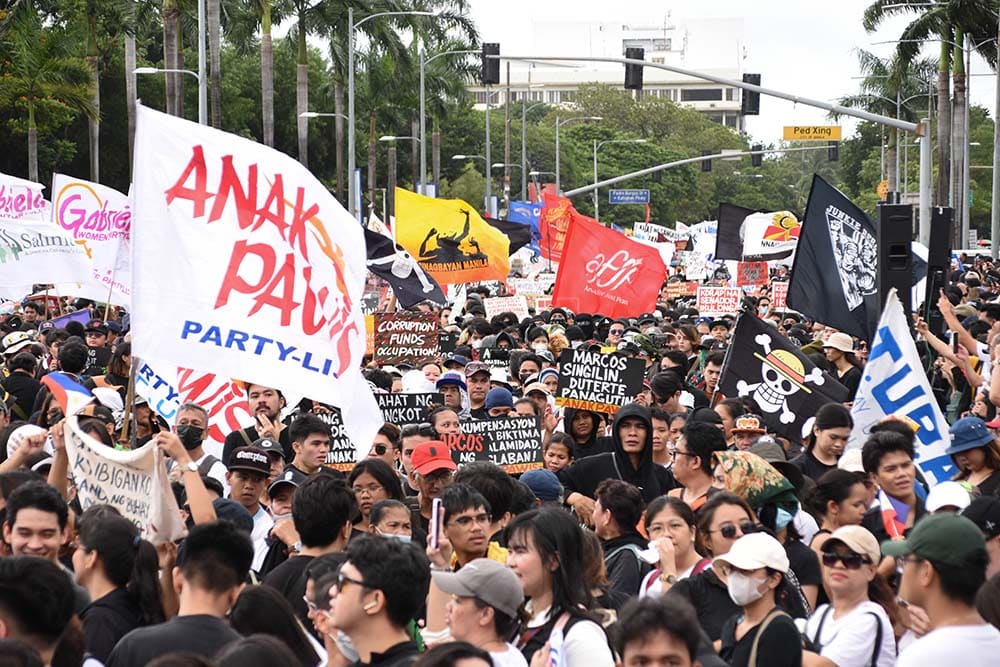
The most striking pattern in the data links deteriorating scores to contracting civic space. In 36 of the 50 countries that have seen significant declines since 2012, restrictions on freedoms of expression, association, and assembly have intensified. The report notes that countries with more open civic environments consistently show lower corruption levels — a finding that underscores how governance legitimacy isn’t simply about formal institutions, but about the breathing room for scrutiny and contestation.
The human cost appears starkly in the data on journalists. Since 2012, 829 journalists have been murdered in non-conflict zones worldwide, including 150 investigating corruption. Over 90% of these killings occurred in countries scoring below 50. Meanwhile, promising movement includes recent commitments from the UK, Norway, and six other countries to explore an International Anti-Corruption Court for prosecuting grand corruption — an institutional innovation that would treat large-scale graft as a matter for international jurisdiction, not merely national enforcement.