Global democracy returns to 1978 levels as autocratization accelerates
V-Dem's annual assessment finds 74% of humanity now lives under autocracy, with 44 countries actively autocratizing. The US loses liberal democracy status as freedom of expression and legislative constraints deteriorate worldwide.
The V-Dem Institute’s 2026 report offers a sobering metric: democracy for the average global citizen has regressed to 1978 levels, nearly erasing the gains of the third wave of democratization. Of 179 countries assessed, 92 are now autocracies compared to 87 democracies — a reversal that places 6 billion people, 74% of the world’s population, under authoritarian rule. Only 600 million live in liberal democracies, fewer than those in closed autocracies.
The numbers reveal acceleration, not equilibrium. Forty-four countries are actively autocratizing, affecting 41% of the global population — a record for the current wave. Just 18 countries, representing 5% of humanity, are democratizing. Botswana, Guatemala, and Mauritius joined this smaller group in 2025, while ten countries including the United States, United Kingdom, Italy, and Slovenia entered autocratization. V-Dem notes that 28 of the 44 autocratizers were democracies when decline began; 15 have already broken down entirely.
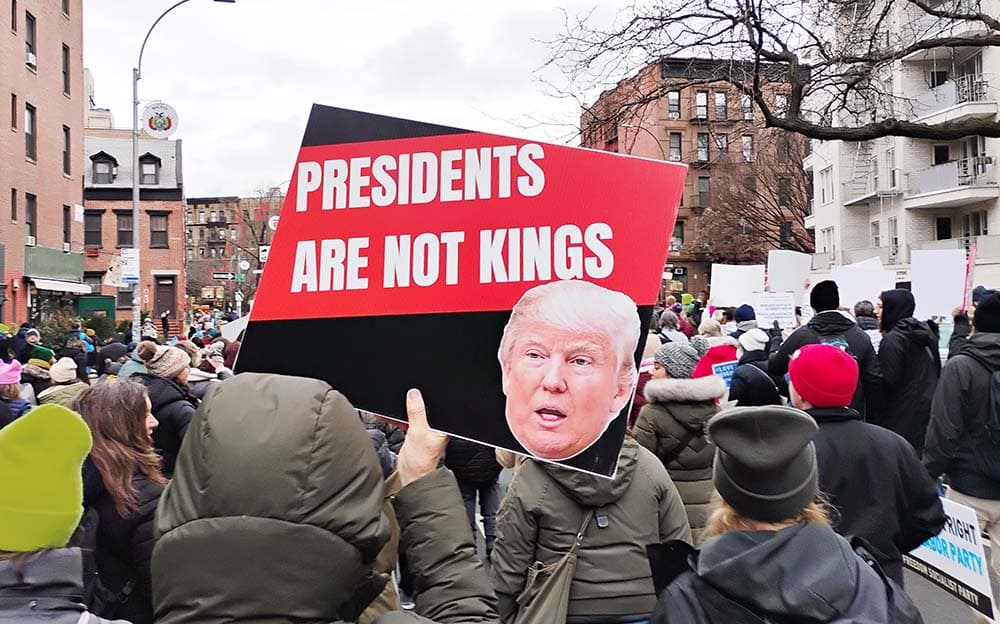
The mechanisms are consistent across contexts: censorship of media in 32 autocratizing countries, repression of civil society in 30, torture to suppress opposition in 33. Freedom of expression worsened in 44 countries. The US downgrade — falling to electoral democracy for the first time in over 50 years — came from what V-Dem calls “unprecedented” decline in legislative constraints, now at their lowest point in a century. Democracy in the US has regressed to 1965 levels.
This is not merely data about governance systems — it’s evidence that the infrastructure for democratic experimentation, the conditions under which communities can negotiate planetary-scale challenges, is contracting. When legislative constraints collapse and expression is suppressed, the capacity for collective sense-making degrades. What remains are not just diminished rights, but diminished possibility for the iterative, participatory governance practices that planetary stewardship requires.