IPBES Report Maps the $7 Trillion Gap Between Economic Growth and Ecological Reality
The first fast-track business-biodiversity assessment reveals a stark asymmetry: $7.3 trillion in nature-harming flows versus $220 billion for restoration — a gap that threatens economic stability and requires governance innovation at the intersection of markets and ecosystems.
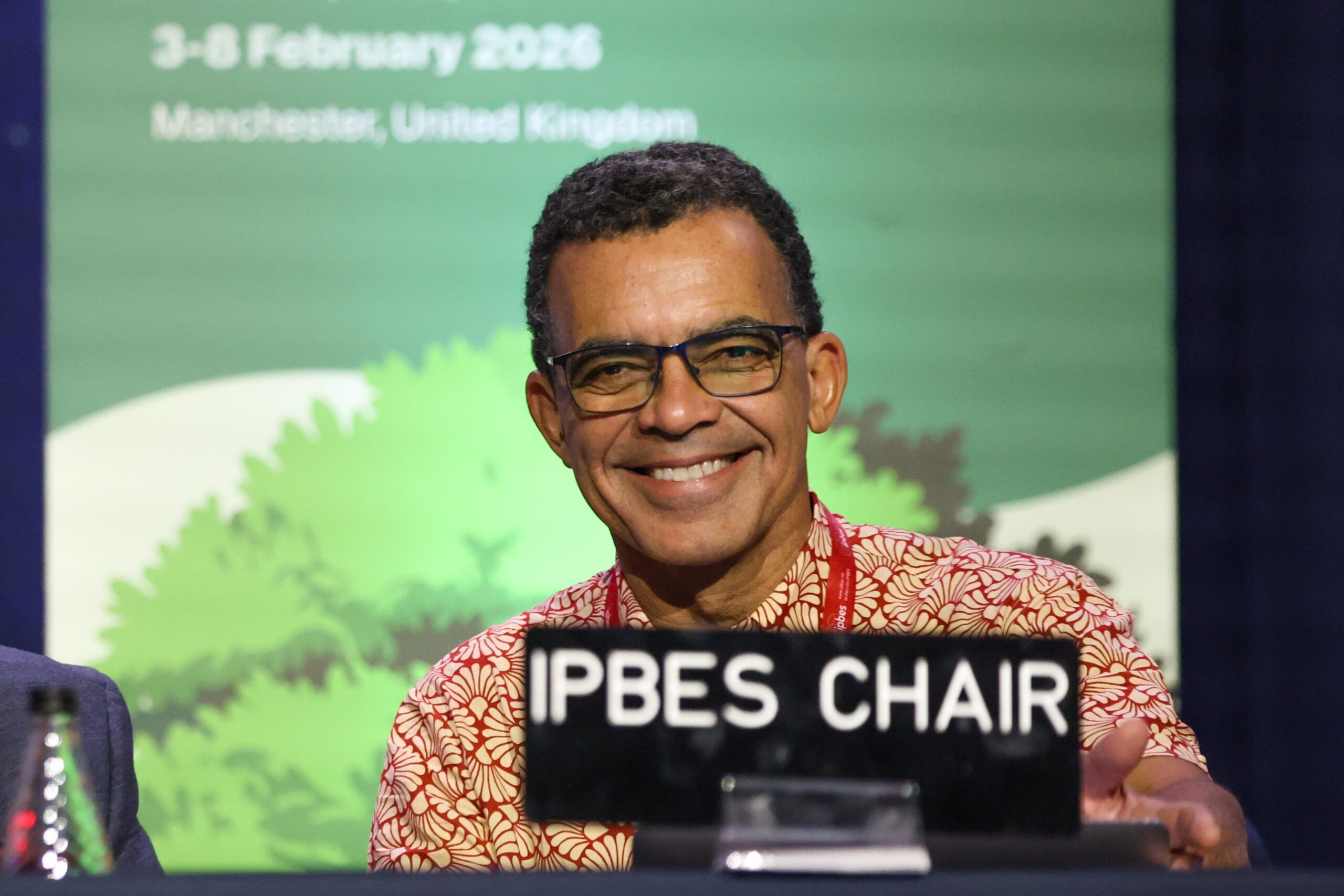
The Intergovernmental Science-Policy Platform on Biodiversity and Ecosystem Services convened 150 member governments in Manchester this month to approve its first fast-track assessment — a three-year effort by 79 experts examining how business activity intersects with planetary boundaries. The numbers are clarifying: in 2023, public and private financial flows harming nature reached $7.3 trillion, while biodiversity conservation and restoration received just $220 billion. The ratio itself is a governance artifact, revealing how current economic architecture remains structurally misaligned with ecological reality.
Developed with input from Indigenous communities, scientists, and private sector actors, the report positions businesses not as peripheral actors but as central to whether the Global Biodiversity Framework’s targets can be met. Dr. David Obura, IPBES Chair and Earth Commission member, framed the assessment as addressing Target 15 of the Framework while acknowledging that “businesses are at the center of how our economies, and large parts of our society, depend on and impact nature.” The language is careful — dependencies and impacts, not externalities. It’s a subtle shift that reframes ecological damage as systemic risk rather than side effect.
The report’s urgency stems partly from its methodology: a fast-track process designed to deliver actionable intelligence midway through the critical decade for climate and biodiversity goals. What remains to be tested is whether information alone — however comprehensive — can catalyze the governance transformations needed to redirect those trillions. The assessment offers a map; the question is whether existing institutions can navigate by it, or whether new forms of economic governance will need to be built and tested in practice.