New Jersey's PB Seeds program shows how advocacy training spreads democratic practice
A structured cohort model for participatory budgeting advocacy is generating new processes across New Jersey — including youth-led climate budgeting in Newark. Evaluations reveal what participants need to become effective democratic innovators.
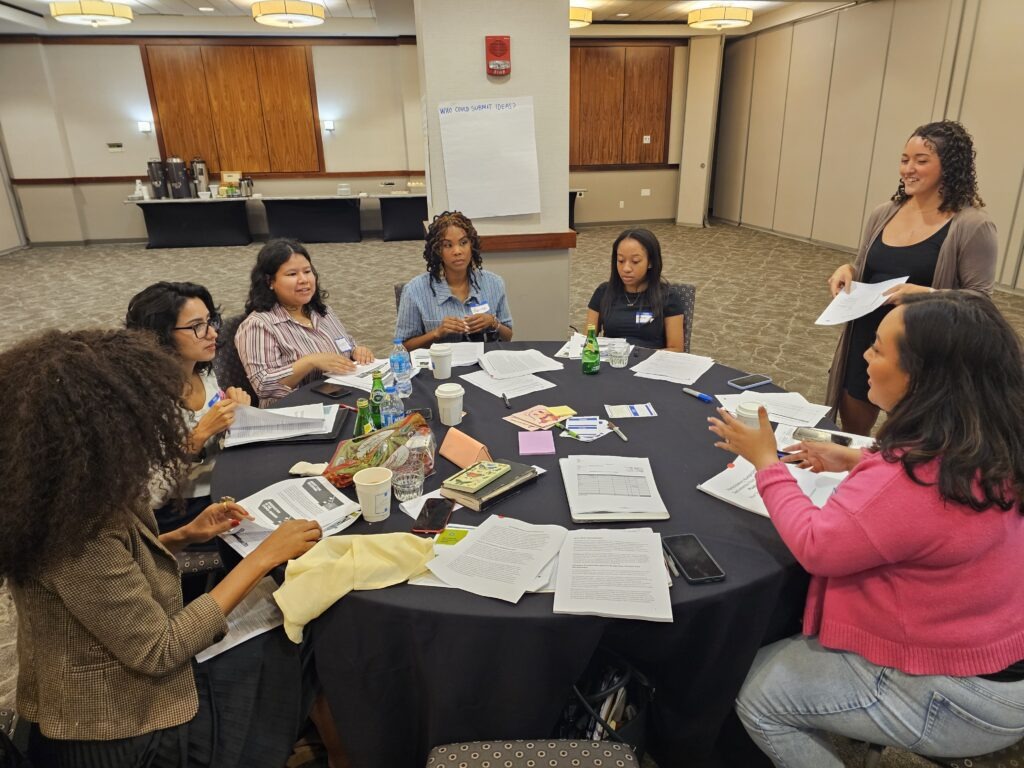
The Participatory Budgeting Project’s New Jersey PB Seeds program — now preparing its third cohort — demonstrates a replicable model for spreading democratic practice. Alumni from earlier cohorts have launched three new participatory budgeting processes, including a youth-led climate initiative in Newark. The program’s structure matters: participants consistently praised the provision of actual tools and templates, noting they didn’t have to “start from zero” when advocating in their communities.
Evaluations of the fall 2024 and summer 2025 cohorts reveal both momentum and unmet demand. All interviewed participants from the earlier cohort reported continued advocacy a year later — one securing grant funding, others organizing for municipal referenda. By program’s end, participants who entered with minimal PB knowledge reported feeling “very” or “extremely confident” developing advocacy plans. Yet they consistently requested more training time and ongoing alumni convenings to sustain momentum.
The participants’ framing is telling. One described PB as “how you can get engaged and re-engage those who have been civically engaged for a while, but just lost faith in the system” — articulating how governance redesign addresses democratic legitimacy, not just budget allocation. The program is expanding beyond New Jersey following a California pilot, testing whether this cohort-based approach can scale as infrastructure for democratic innovation.
This model exemplifies what The Garden calls transformative practice: governance change that requires not just new rules but new practitioners. The PB Seeds approach — structured training, peer networks, practical tools, ongoing support — treats democratic capacity-building as serious work requiring dedicated resources and longitudinal commitment.