Rewilding as governance in Ukraine's Danube Delta
A new documentary shows how rewilding in Ukraine's Danube Delta operates as both ecological restoration and social healing — restoring natural processes while offering veterans and communities a lived practice of renewal amid war.
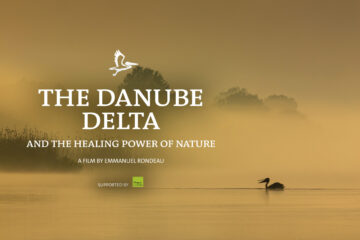
Emmanuel Rondeau’s documentary “The Danube Delta and the Healing Power of Nature” — premiering March 20 for World Rewilding Day — documents something more complex than conservation. In the Ukrainian portion of the delta, rewilding work operates as a form of applied governance: removing dykes to restore water flow, reintroducing water buffalo and Konik horses to reshape grasslands, and creating conditions where both ecosystems and war-affected communities can practice recovery.
The film follows Rewilding Ukraine’s work across Ermakiv Island and the Tarutino Steppe, where the team has developed a Nature for Veterans programme that brings traumatized soldiers into direct contact with recovering landscapes. “I will never forget the voices of one group when they saw water buffalo and Konik horses in the delta for the first time,” says team leader Oleg Dyakov. “Being in wild nature allowed them to forget about any problems — and they could take a feeling of hope and calmness back home.” This is governance as felt experience, not policy document.
The project extends beyond the 8,000 hectares of wetland restoration planned for 2026. Local screenings in Vylkove and Borodino will bring the documentary to 250 children, accompanied by photo exhibitions and community workshops. Planned reintroductions include kulan, marmots, and eagle owls — each species return a test of whether human and ecological systems can share space under wartime conditions. The Danube Delta work suggests that ecological stewardship and social healing might be inseparable practices, each requiring the other to succeed.