Rewilding loan tests whether nature recovery can anchor rural economies
A €40,000 loan from Rewilding Europe Capital enables a Portuguese nature tourism company to expand accommodation in the Greater Côa Valley — testing whether financial tools can align ecological restoration with economic viability in depopulating rural regions.
In Portugal’s Greater Côa Valley, nature recovery is being deliberately engineered to drive economic transformation. Rewilding Europe Capital — the enterprise loan facility of Rewilding Europe — has issued a €40,000 loan to Ambieduca, a nature tourism company founded by biologist and archaeologist Marco Ferraz. The investment will fund renovation of a traditional house in Vilar de Amargo, creating accommodation for visitors drawn to one of the Iberian Peninsula’s wildest landscapes. The project represents a deliberate experiment: can targeted finance turn ecological restoration into durable livelihoods in regions marked by rural depopulation?
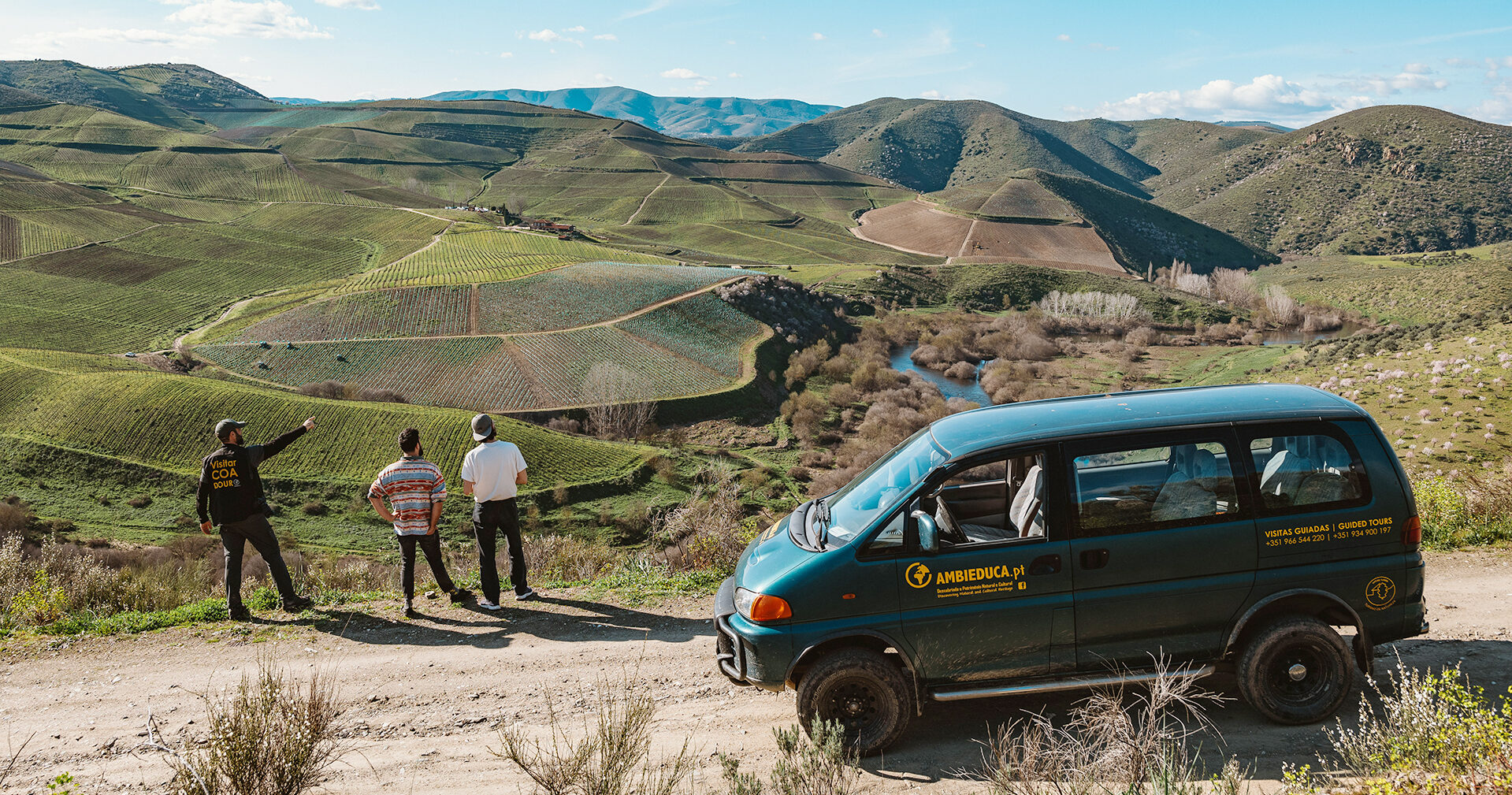
Ambieduca already operates guided experiences — wildlife watching, tours of prehistoric rock engravings, visits to active rewilding sites — that blend natural history with cultural heritage. The new accommodation, branded “Casas de Villar-Rewilding Spot,” will allow Ferraz to offer integrated packages and potentially hire locally. The company is part of the Wild Côa Network, a coalition of nearly 60 nature-positive businesses launched by Rewilding Portugal in 2021. Three network members have now received loans from Rewilding Europe Capital, creating a live testing ground for whether collaborative enterprise models can sustain themselves on the economic externalities of restored ecosystems.
The Greater Côa Valley case is interesting because it makes the economic logic of rewilding explicit and measurable. Tourism revenue becomes a proxy for ecological health; loan repayment tracks whether nature-based enterprises can survive without subsidy. Rewilding Europe’s Daniel Veríssimo notes that accommodation remains scarce in northern villages like Vilar de Amargo, where depopulation has left infrastructure gaps — the new property addresses both market demand and demographic decline. Whether this model scales beyond charismatic landscapes to more contested geographies remains an open question, but the Côa Valley is building a dataset on what happens when governance tools — finance, networks, platforms — are designed to make nature recovery economically legible.