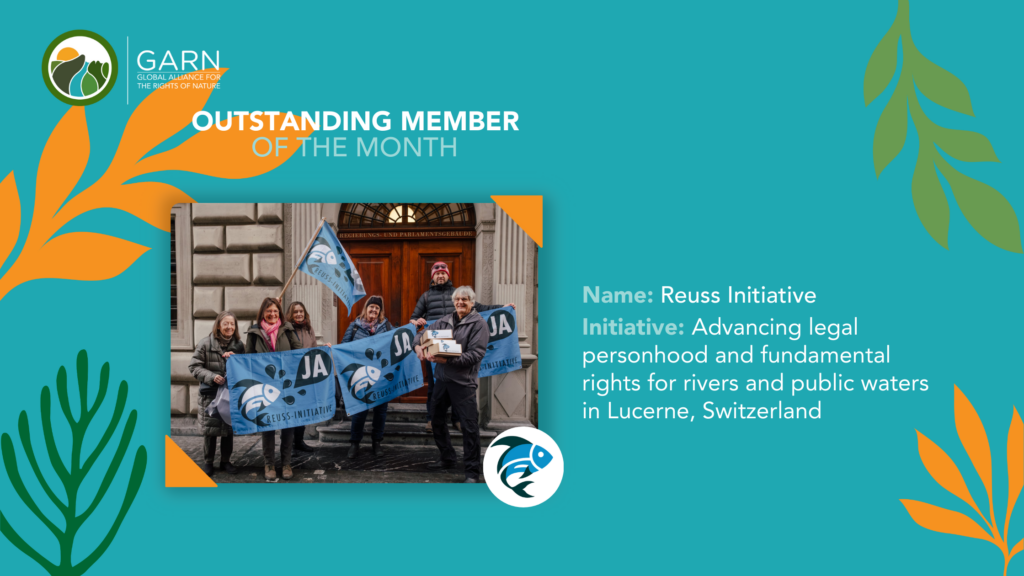
River Reuss Heads to Referendum: Switzerland Tests Legal Rights for Water
A citizen initiative in Lucerne canton has gathered 5,460 signatures to grant legal personhood to the River Reuss — launching a constitutional process that will test whether democratic systems can recognize nature as a rights-bearing entity.
The Reuss Initiative has cleared its first democratic threshold. With 5,460 certified signatures submitted to the Canton of Lucerne on January 15, 2026, the citizen-led campaign has triggered a formal constitutional process that will move through governmental review, parliamentary debate, and ultimately a public vote. The proposal: grant legal personality and fundamental rights to the River Reuss and other public waters in the canton.
The signature campaign surfaced stories that made the legal argument visceral — polluted drinking water, disappearing fish species, environmental laws left unenforced. These aren’t abstractions; they’re the material consequences of treating rivers as commodities rather than living systems. The Reuss Initiative frames its constitutional proposal as a corrective: if corporations can be legal persons, why not rivers?
This is governance innovation in the most literal sense — not a reform of existing mechanisms, but an attempt to expand the legal category of personhood itself. The initiative follows similar efforts in Ecuador, New Zealand, and Colombia, but Switzerland’s direct democracy model means the question will be settled by popular vote, not judicial decree. That makes Lucerne a testing ground for whether citizens, when asked directly, will extend rights beyond the human.
The Reuss Initiative is part of the Global Alliance for the Rights of Nature (GARN), which recognized the group as its Outstanding Member of the Month. The honor reflects not just the signature count, but the broader work of demonstrating that rights-of-nature frameworks are democratically achievable, legally coherent, and rooted in lived ecological crisis.