Small states, strength in numbers: rebuilding human rights multilateralism
As great powers fragment the UN human rights system, a coalition of 90 countries — half from the global south — is testing whether one-country-one-vote can still anchor planetary governance in shared rules rather than fortress politics.
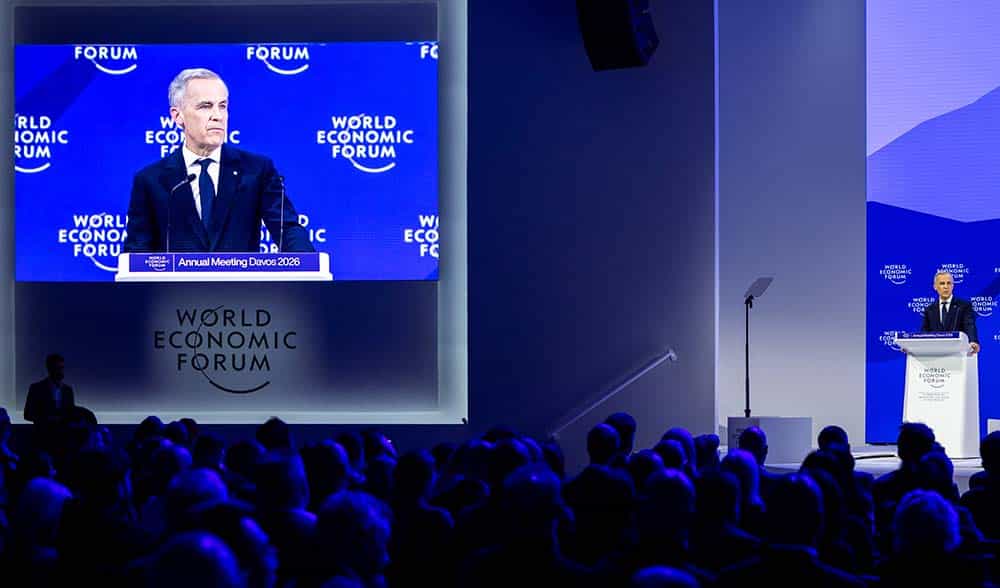
Mark Carney’s Davos admission that the world is reorganising around great-power competition outside UN rules wasn’t news to those watching UN human rights spaces — it was simply candour. The latest ruptures, from Trump’s imperial impulses to China’s methodical defunding campaigns, have pushed what was structural into the open. The enforcement of international law has always relied less on policing than on moral leverage and political will, and both are eroding fast: slashed aid budgets, weakened economies, frayed credibility over double standards in Gaza and elsewhere.
But human rights multilateralism has never depended solely on great-power benevolence. It was also built on truth-seeking, public pressure, and committed movements — and on the one-country-one-vote principle that gives small and medium states real leverage. That history is now being reclaimed. Last week, Albania, the Netherlands, Chile, Kyrgyzstan, and Kenya rallied 90 countries — half from the global south — in a joint pledge at the Human Rights Council to defend the independence and effectiveness of UN rights bodies. In New York, small island states like Mauritius and Cabo Verde are joining Latin American nations to resist Chinese and Russian budget cuts targeting human rights work.
This is governance as coalition-building, not performative diplomacy. The coalition’s agenda is concrete: strengthen the Human Rights Council, secure stable funding, and commit to consistent crisis responses based on objective criteria rather than politics. It’s a test of whether strength in numbers can rebuild the global levers that allow for human rights progress — upholding rights as moral compass, preserving international law as social contract, restoring political will without distinction.
What it demands is political courage to confront violations everywhere, from Gaza to Xinjiang to Minnesota; vision that transcends electoral cycles; partnership with frontline civil society; and funding — not as charity, but as infrastructure for a safer, more just planetary order. The UN remains a rare space for dialogue among governments, able to investigate atrocities the Security Council ignores. Dismissing it as broken misses the whole truth. The question is whether states are willing to use the power they already hold.