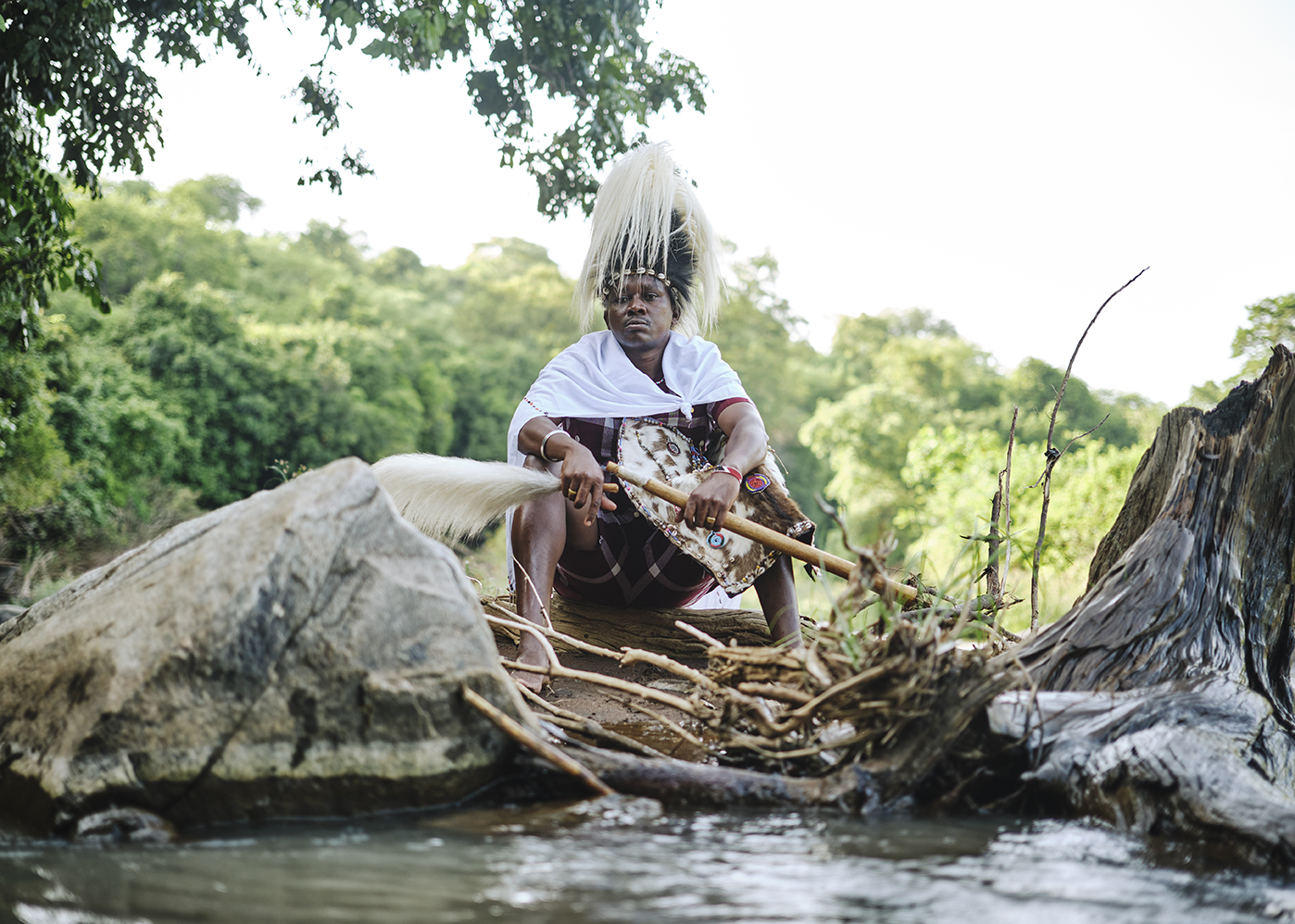
Tharaka's River of Life: eco-cultural mapping as governance practice
The Tharaka community in Kenya adapts Amazonian mapping methods to create Life Plans — participatory governance tools that weave seed sovereignty, sacred site protection, and customary law into a holistic vision of territorial stewardship.
The Tharaka community at the foothills of Mount Kenya has become the first in Africa to complete Life Plans using eco-cultural mapping — a methodology developed by Indigenous peoples in the Colombian Amazon in the 1980s and shared through the African Earth Jurisprudence Collective. The process begins with elder-centred dialogues that surface pre-colonial memory, then produces three layered maps: one of the ancestral past, one of the colonial present, and one charting a desired future. Seasonal calendars tracking constellations, moon cycles, and ritual timing accompany these spatial maps, creating what the community calls their “River of Life” — a governance document structured around the Kithino River they live beside.
Into this river flow distinct streams of work: reviving indigenous seed varieties resistant to drought, restoring rotational grazing systems called Marithia, protecting Sacred Natural Sites through customary law, and rebuilding the Gaaru — traditional meeting places where elders teach ecological governance during rites of passage. Each stream represents a specific practice; together they form an interdependent system. As elder Salome Gatumi notes of hybrid seeds: “You are farming for the corporations, not yourself.” The revival prioritizes autonomy — over food, land, knowledge, and governance structures.
The methodology treats mapping not as documentation but as governance performance: a way to consolidate collective memory, assert territorial authority, and create enforceable customary law. When the Kenyan government proposed the Mutonga Dam — backed by multinational finance — the community’s strengthened cultural and legal framework helped halt the project, which would have flooded half of Tharaka and destroyed the sacred Kibuka Falls. The Life Plans function as both vision and bulwark, a participatory tool that makes governance systems felt rather than merely debated.
The approach echoes The Garden’s thesis that governance must be tested in practice. By weaving seed sovereignty, sacred site protection, shift grazing, and intergenerational learning into a single river, Tharaka demonstrates how planetary stewardship emerges not from isolated interventions but from the revival of holistic, place-based systems — systems that recognize ecological and cultural health as inseparable.