U.S. Congress Considers Its Largest Housing Bill in Decades
The Senate is weighing the 21st Century ROAD to Housing Act, which would expand community land trusts and shared equity models — governance experiments that treat housing as stewardship rather than speculation.
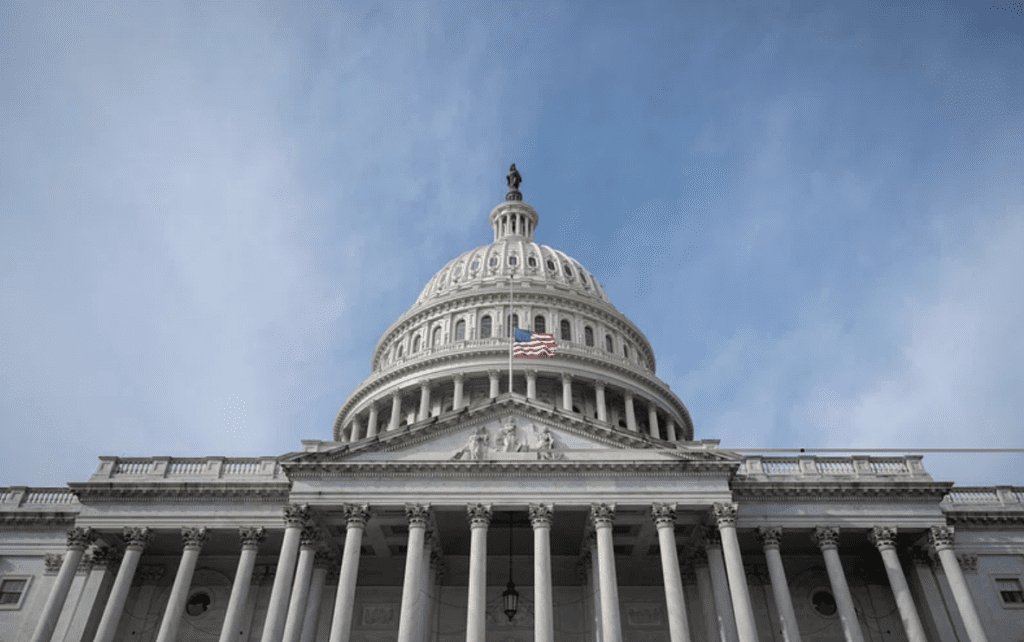
The U.S. Senate is considering what could become the country’s largest housing legislation since the 1990s — a package that elevates community land trusts and shared equity homeownership from marginal experiments to federally recognized tools. The 21st Century ROAD to Housing Act, now under deliberation after passing the House in February, emerged from rare bipartisan cooperation: the Senate Banking Committee’s original ROAD to Housing Act passed 24-0 before being merged with House provisions.
The details matter here. The bill updates HOME Investment Partnerships to include a more flexible definition of community land trusts, one that no longer requires organizations to already hold land or seat homeowners on their boards — recognition that governance structures need room to develop. It also codifies preemptive purchase options for CLTs and explicitly adds shared equity homeownership to federal housing statute, treating these models not as workarounds but as legitimate approaches to a crisis driven partly by treating shelter as investment vehicle.
Beyond CLTs, the package authorizes whole-home repair grants, allows Community Development Block Grant funds for new construction, and — notably — creates permanent administrative infrastructure for disaster recovery funding rather than the current ad-hoc scramble after each climate event. The RESIDE Act within the package specifically names the “establishment, maintenance, or expansion” of community land trusts as eligible for renovation funding, embedding stewardship models into physical infrastructure renewal.
Whether this passes remains uncertain, but the legislative architecture is worth noting: governance models that began as grassroots practice — CLTs emerged from civil rights organizing in the 1960s — are being written into federal law not because they’re trendy, but because they’ve proven resilient enough to test at scale.