What makes a rewilding image powerful? A photographer's lens on conservation storytelling
As Europe's wildlife photography competition opens submissions, judge Viktoria Pezzei argues for images that show human hands in ecological work — not pristine wilderness, but the lived practice of restoration.
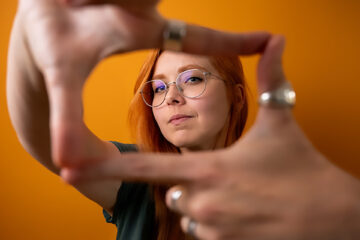
The Rewilding Europe Award, part of the European Wildlife Photographer of the Year competition, closes for submissions on March 1. This year’s judge, Munich-based photographer Viktoria Pezzei, is looking for something specific: images that “dive below the surface and truly tell a story.” Not just technical mastery or charismatic megafauna, but photographs that reveal the tangible, often invisible work of ecological restoration — including the humans doing it.
Pezzei’s own practice centers on what she calls conservation’s “underdogs”: bats in Bavaria, fawn rescue during haying season, researchers setting mist nets at dusk. Her work deliberately includes people and equipment, rejecting nature photography’s traditional sanitization. “Conservation is inherently a human story,” she says. “In today’s world, many of our most vulnerable species simply wouldn’t survive without human intervention.” It’s a framing that aligns with The Garden’s thesis: that governance — ecological or otherwise — must be embodied, tested, and made visible, not abstracted into policy documents or pristine imagery.
The power of such images to shift governance is real. Pezzei points to Steve Winter’s photograph of a mountain lion against the Hollywood sign — a single frame that reframed urban wildlife from threat to neighbor, ultimately leading to the construction of the Wallis Annenberg Wildlife Crossing. What she’s seeking in this year’s submissions is similar: hope grounded in specificity, progress made tangible, the extraordinary found in backyards rather than remote wilderness.
Pezzei is currently a Vital Impacts Fellow working on a project about bats in agriculture — another underrepresented story about the material relationships that sustain human systems. Her emphasis on local, accessible narratives suggests a different model for conservation communication: not spectacle, but the patient documentation of restoration as it unfolds, hands and all.