Pastoralists as Land Stewards: Mobility, Tenure, and Rangeland Governance
A coalition webinar ahead of UNCCD COP17 reframes pastoralism as regenerative governance — not degradation driver. The challenge: translating centuries of mobile land stewardship into policy that recognizes rights to territory and movement, not just plots.
On 11 February, the Agroecology Coalition and International Land Coalition convened grassroots leaders and officials to examine pastoralist systems as climate adaptation infrastructure. The session — timed to precede UNCCD COP17 in Ulaanbaatar this August — centered on a governance puzzle: how to secure land rights for people whose relationship to land is defined by movement, not fixed boundaries.
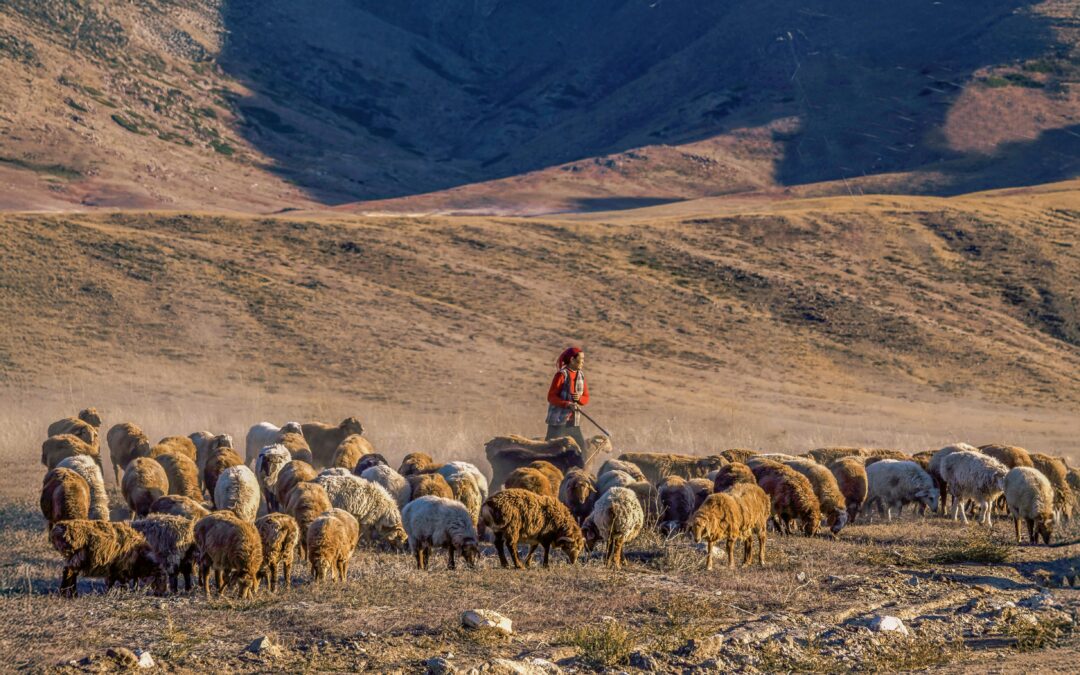
The evidence presented was consistent across geographies. Najim Ataka of Réseau Billital Maroobè described West African pastoralism as centuries-old agroecological practice that prevents degradation through seasonal mobility, fertilizes soils through managed grazing, and maintains biodiversity in drylands routinely dismissed as unproductive. Khalid Khawaledh of WAMIP noted that pastoral systems become fragile not from overuse but from constraint — when mobility routes are restricted or tenure insecure, the regenerative cycle breaks. Degradation follows the loss of governance, not the presence of herds.
The policy gap is stark. At COP16, 197 parties committed for the first time to conserve and restore rangelands alongside forests and wetlands. But as Monicah Yator of the Indigenous Women and Girls Initiative emphasized, recognition without secure tenure — especially for women who steward seeds and livestock knowledge — remains hollow. The International Land Coalition’s Mobility Matters campaign now pushes to embed rights to movement within land governance frameworks, developing indicators to assess not just plot ownership but territorial access and seasonal passage.
COP17 offers a test case: whether global land governance can accommodate systems that don’t conform to cadastral logic. Tunisia plans to restore 200,000 hectares using agroecological methods; Burkina Faso frames secure pastoral tenure as prerequisite for climate justice. The question isn’t whether pastoralism works — the ecological record is clear — but whether governance institutions can recognize stewardship practices that operate across boundaries rather than within them.