Stories

20 March 2026
New federal AI policy fast-tracks data center permits while stripping local governments of oversight — a test case for whether infrastructure governance flows from communities or concentrates upward with federal and corporate power.
19 March 2026
New lifecycle analysis reveals bioplastics reduce carbon but harm ecosystems more than fossil alternatives — a material governance challenge where the only path to climate targets involves reducing demand itself.
18 March 2026
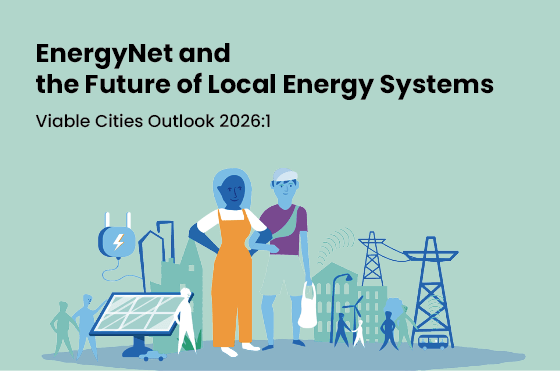
Viable Cities explores how local energy systems can reshape urban climate action — not just as infrastructure, but as participatory governance. The EnergyNet model, tested in Lund, treats energy as a coordinated system involving households, property owners, and municipalities.
28 February 2026
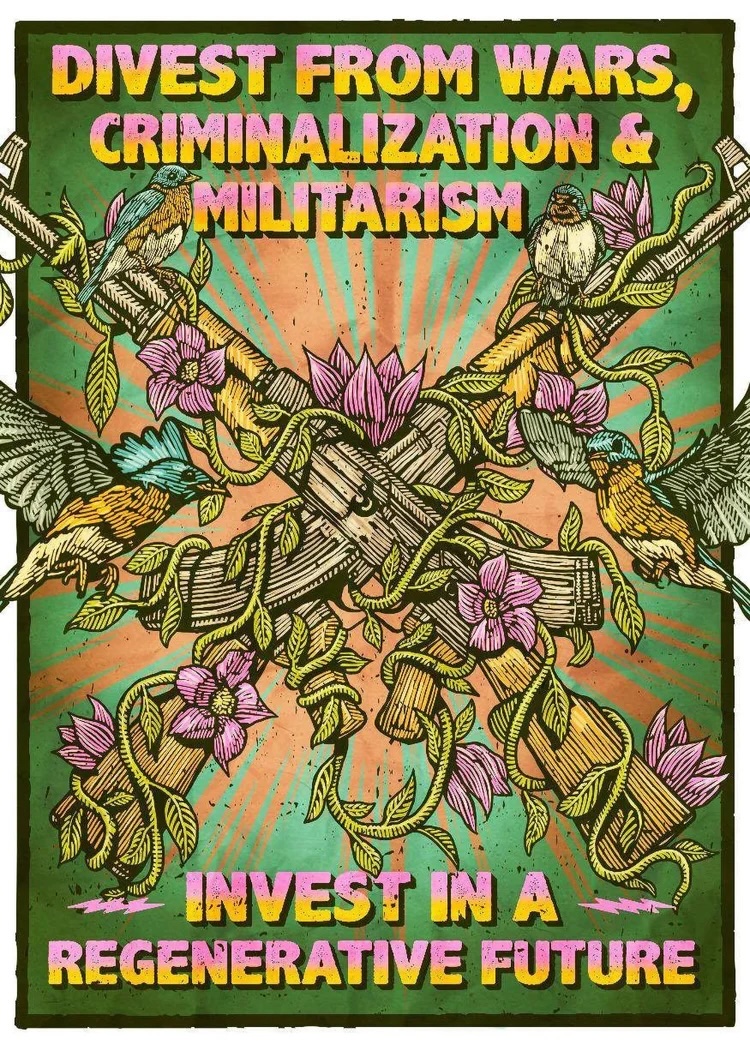
As U.S. and Israeli forces strike Iran, the Climate Justice Alliance frames military action as ecological governance failure — the U.S. military remains the world's largest institutional emitter while resource extraction drives geopolitical conflict.

23 February 2026
A Swedish municipality embeds circular economy into budget processes and public institutions, treating reuse not as a side project but as core governance infrastructure. The results: 250 tons of CO2 avoided, millions saved, and a model others can copy.

20 February 2026
The author of Regeneration and founder of Project Drawdown reflects on what regenerative agriculture actually means — not as branding exercise, but as practice that must be felt, verified, and embodied through direct relationship with land and living systems.
20 February 2026
Coral reefs could sustainably yield 9,000 additional meals per square kilometer — but only if communities dependent on fishing accept decades of reduced catch. A stark example of governance as temporal negotiation.
18 February 2026
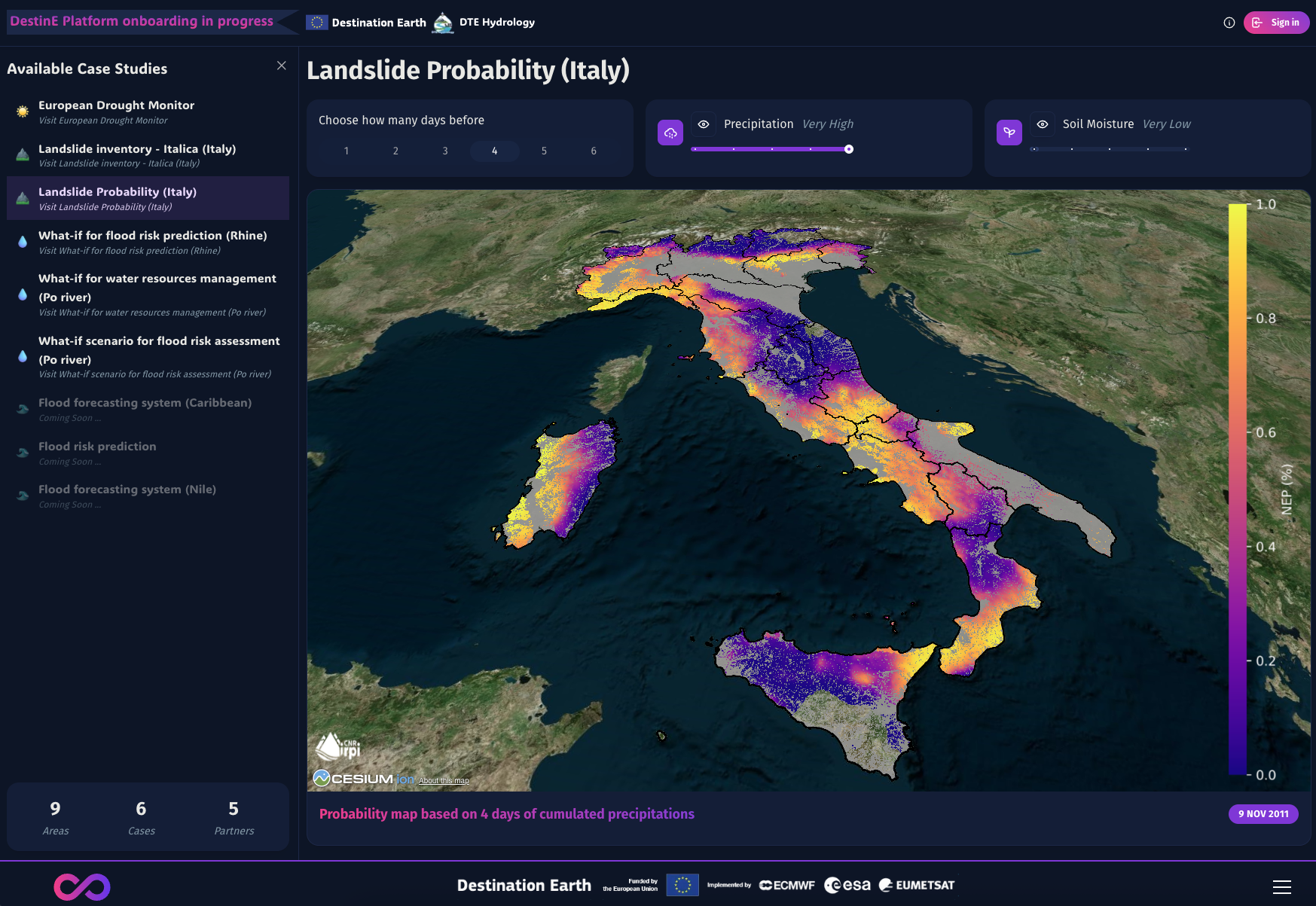
ESA's Digital Twin Earth program creates real-time planetary simulations — not just to model floods or fire, but to stress-test governance responses before disaster strikes. It's scenario planning made operational, fed by satellite data and constrained by physics.

18 February 2026
A coalition webinar ahead of UNCCD COP17 reframes pastoralism as regenerative governance — not degradation driver. The challenge: translating centuries of mobile land stewardship into policy that recognizes rights to territory and movement, not just plots.
12 February 2026
The Trump EPA's revocation of the 2009 Endangerment Finding — the scientific basis for climate regulation — triggers coordinated resistance from environmental justice networks representing millions of frontline communities.
11 February 2026
Viable Cities opens new call to expand beyond its 48-city Climate Neutral Cities 2030 initiative. The expansion tests whether collaborative governance models can scale — a recurring question in transition practice.

6 February 2026
MOOD — Meaningful Open Opportunities for Discovery — brings 100+ participants into a UN-certified learning experience that frames climate action as both personal exploration and governance practice, testing how structured discovery might scale.
5 February 2026
The Global Challenges Foundation and World Economic Forum release assessments showing seven of nine planetary boundaries breached, rising geoeconomic confrontation, and institutional erosion — all pointing to what GCF calls the need for governance that recognizes 'planetary commons cannot be negotiated with.'

4 February 2026
UniCities transitions from project to partnership, positioning Ukrainian universities as laboratories for integrated climate transition and post-war recovery — a model for resilience-centered governance under extreme constraint.
30 January 2026
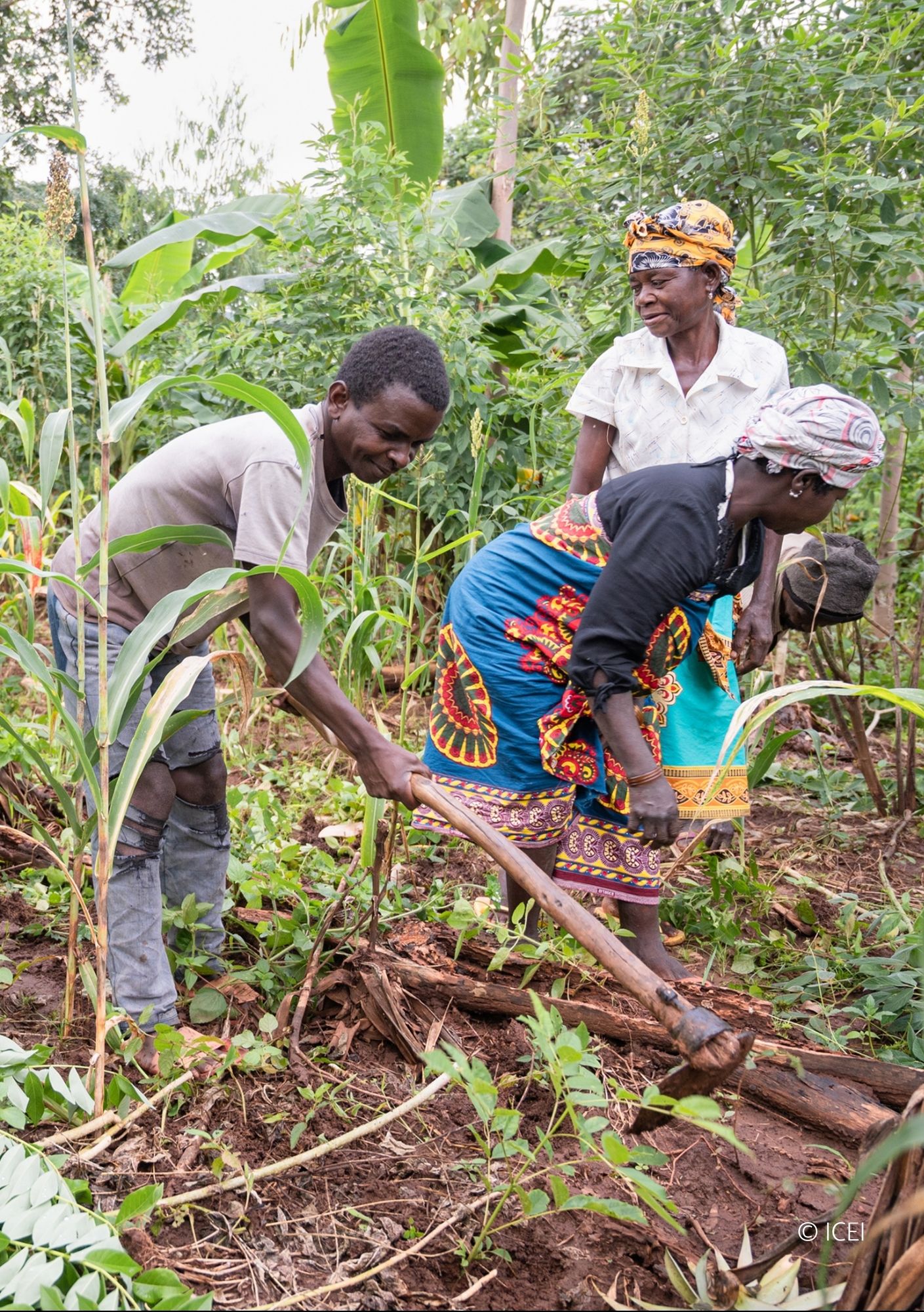
A 3.5-year project in Mozambique embedded agroforestry systems into public institutions and rural communities — showing how regenerative agriculture becomes a form of governance when it restructures land use, diet, and policy in tandem.

29 January 2026
The Climate Justice Alliance frames immigration enforcement as inseparable from climate displacement, calling for mutual aid networks and direct action as federal raids intensify across the U.S.

28 January 2026
Researchers, policymakers, and industry practitioners gathered in Taipei to explore how artificial intelligence can serve planetary resilience — examining not just technical potential but governance frameworks for equitable deployment.
28 January 2026
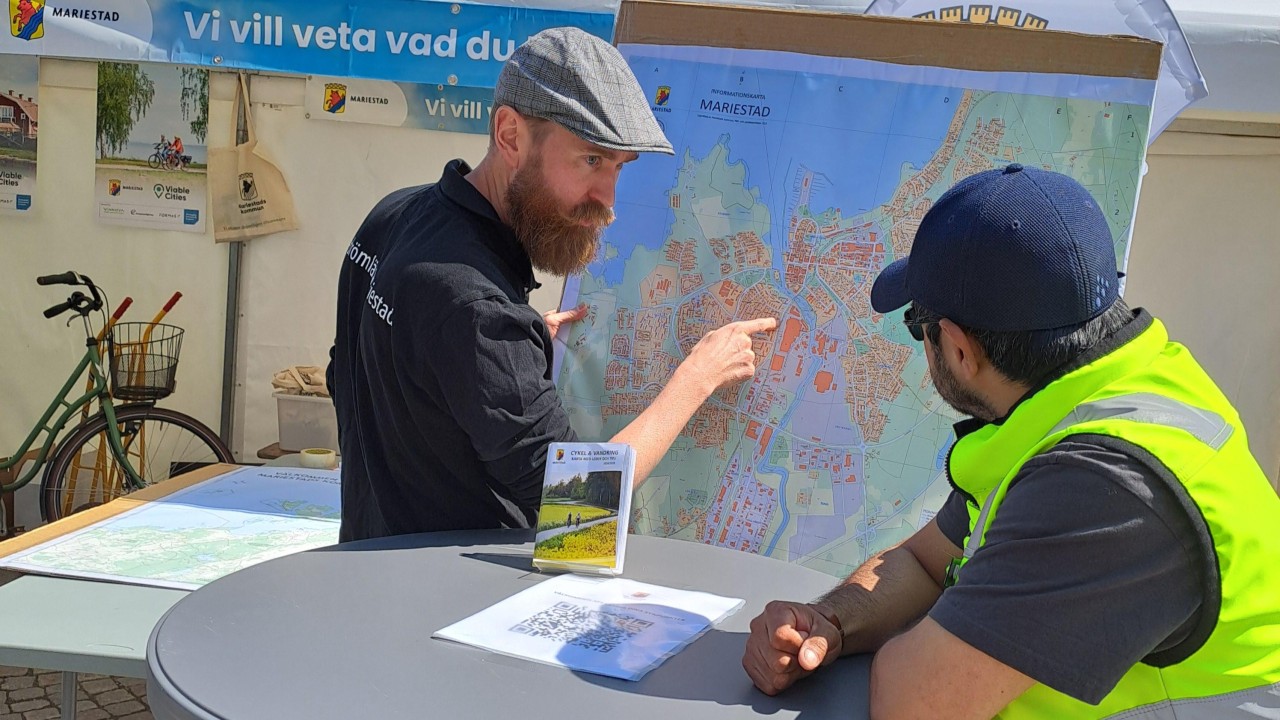
A Swedish mid-sized city maps who pays for climate transition and who benefits — finding that while citizens and industry carry costs, the municipality's role is creating conditions for transformation, not funding it.

28 January 2026
Sweden's Viable Cities seeks communications interns to help 29 cities navigate climate neutrality transitions. The work touches a persistent challenge: how to make systemic change legible and compelling to publics who must ultimately enact it.
23 January 2026
Researchers propose harvesting boreal forest timber and sinking it in the oxygen-poor Arctic Ocean — a carbon removal method that sidesteps infrastructure costs but raises questions about who governs such planetary-scale interventions.

21 January 2026
A Swedish industrial city places climate transition in a shopping mall — treating governance not as policy abstraction but as something residents encounter while buying groceries. The experiment tests whether municipal legitimacy can be built through visibility.
9 January 2026
The Trump administration withdrew from the UNFCCC and 65+ other international bodies, making the US the only nation outside the foundational climate treaty. A stress test for multilateral governance in an age of unilateral retreat.
5 January 2026
A frontline coalition created resources on AI infrastructure's environmental costs and trained 10 organizers in Memphis to challenge data center development — governance as ground-level strategy, not abstract policy.