From the Field
19 March 2026
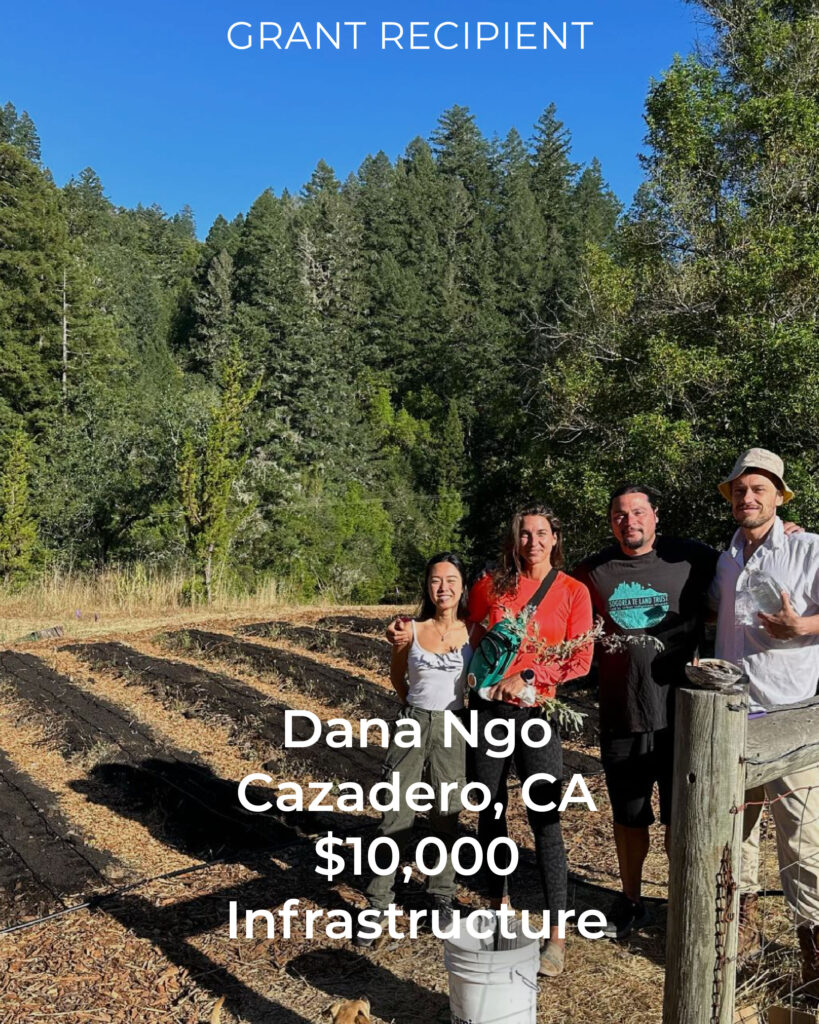
Direct grants to small-scale farmers reduced transition risk for regenerative practices across 73,000 US acres in 2025. Now the work shifts from capital deployment to storytelling — connecting eaters to the human systems behind soil governance.

16 March 2026
A new documentary shows how rewilding in Ukraine's Danube Delta operates as both ecological restoration and social healing — restoring natural processes while offering veterans and communities a lived practice of renewal amid war.
16 March 2026
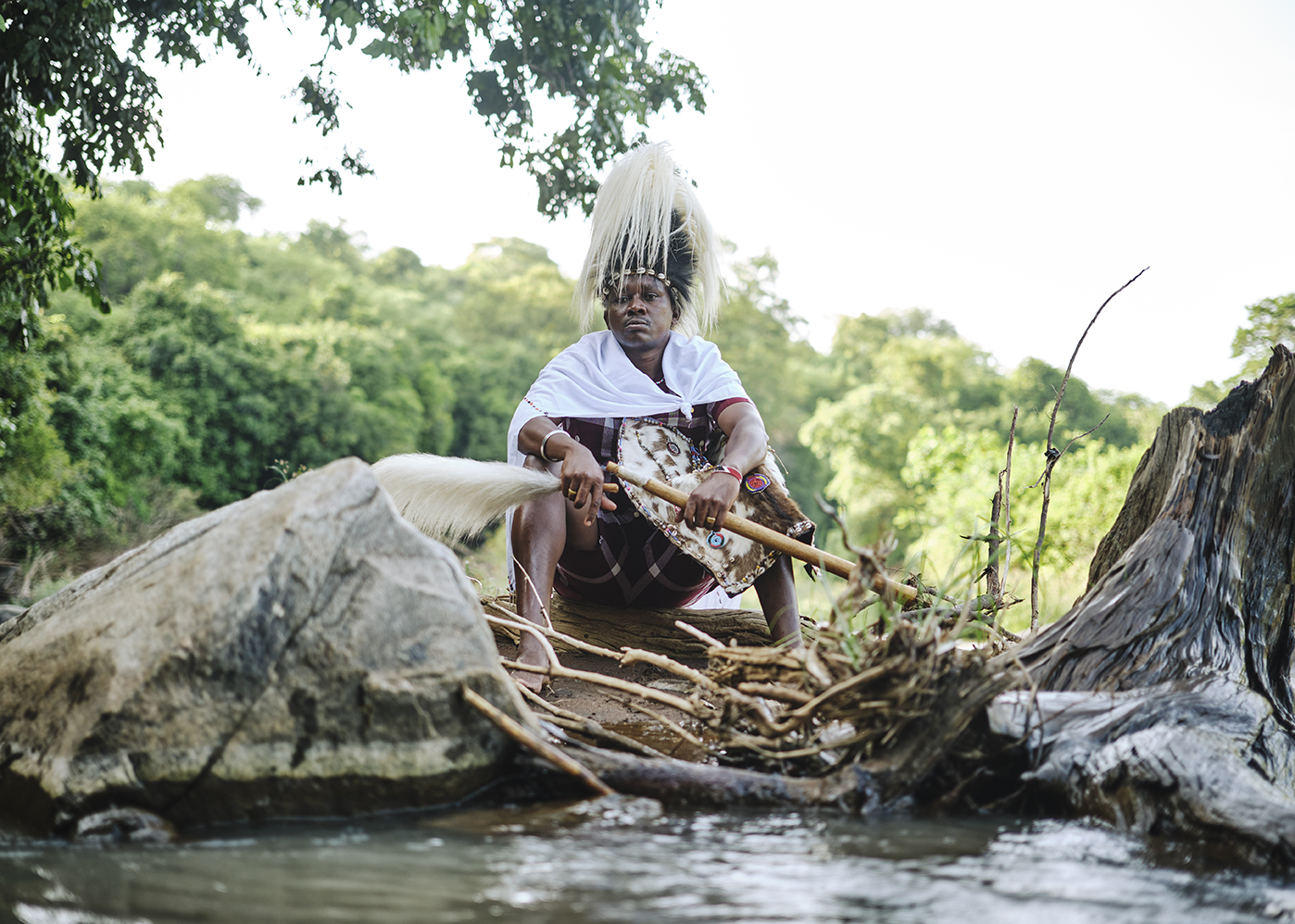
The Tharaka community in Kenya adapts Amazonian mapping methods to create Life Plans — participatory governance tools that weave seed sovereignty, sacred site protection, and customary law into a holistic vision of territorial stewardship.
9 March 2026
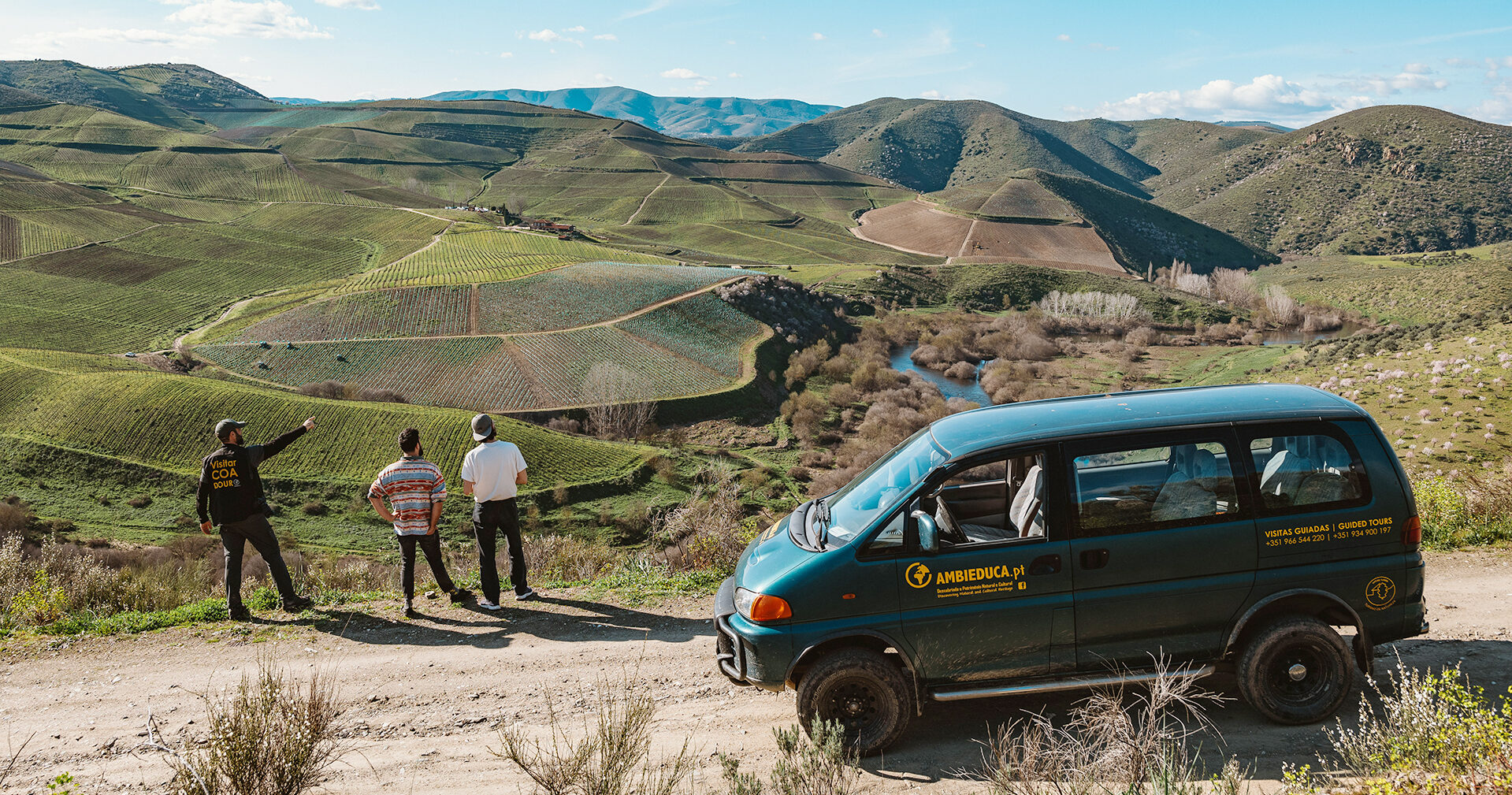
A €40,000 loan from Rewilding Europe Capital enables a Portuguese nature tourism company to expand accommodation in the Greater Côa Valley — testing whether financial tools can align ecological restoration with economic viability in depopulating rural regions.

26 February 2026
Transparency International reports global corruption perceptions have fallen to their lowest level in over a decade, with shrinking civic space a common factor in declining scores. The trend reveals how governance legitimacy depends on openness.
26 February 2026
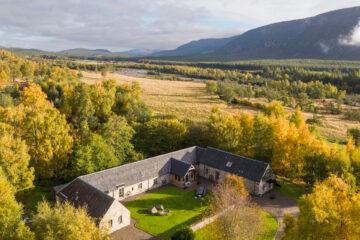
Ballintean Mountain Lodge, a 30-year rewilding experiment in the Cairngorms, joins the European Rewilding Network — a move that underscores how ecological restoration increasingly operates through distributed governance: peer learning, knowledge exchange, and practice-led networks rather than top-down mandates.
25 February 2026
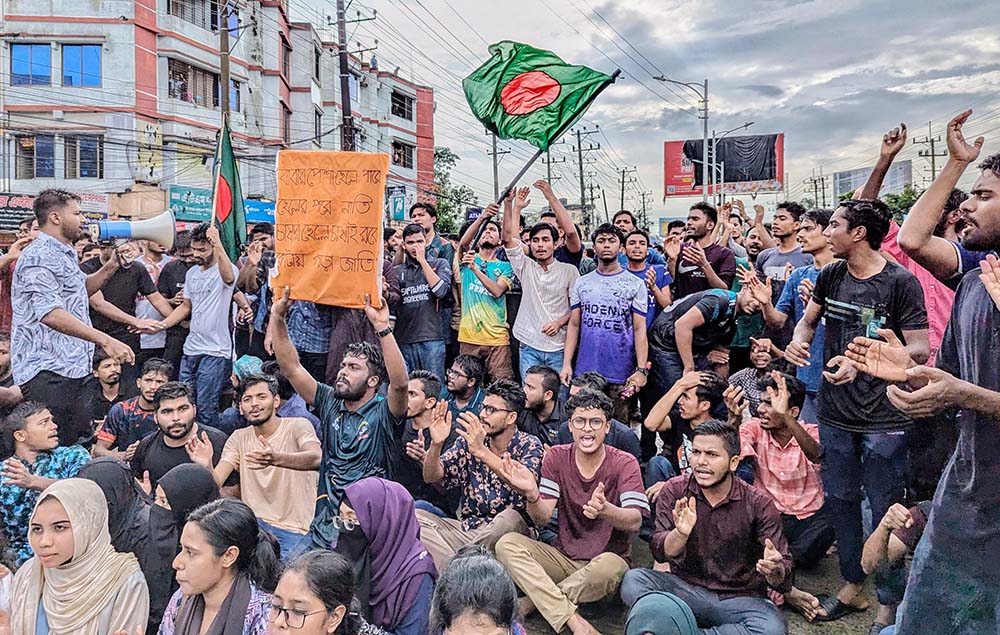
Youth-led uprisings across 11+ countries share grievances about inequality and corruption, but don't point toward a clear democratic renewal. The question isn't whether young people can mobilize — it's whether existing governance systems can absorb their demands.
19 February 2026
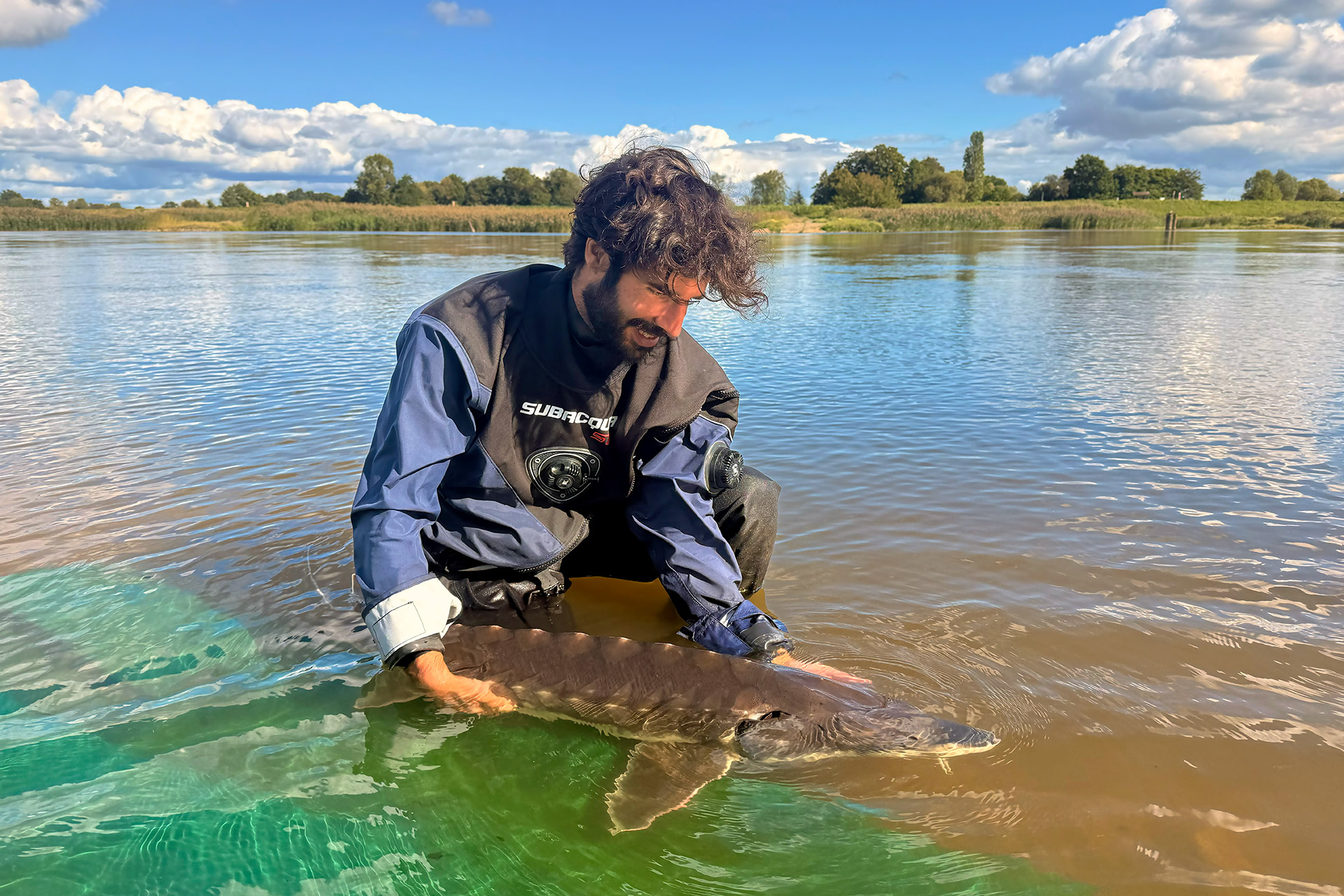
As the Rewilding Europe Award deadline approaches, photographer Jon A. Juárez reflects on what makes rewilding imagery matter: not just aesthetics, but the governance relationships between people, science, and returning ecosystems.
18 February 2026
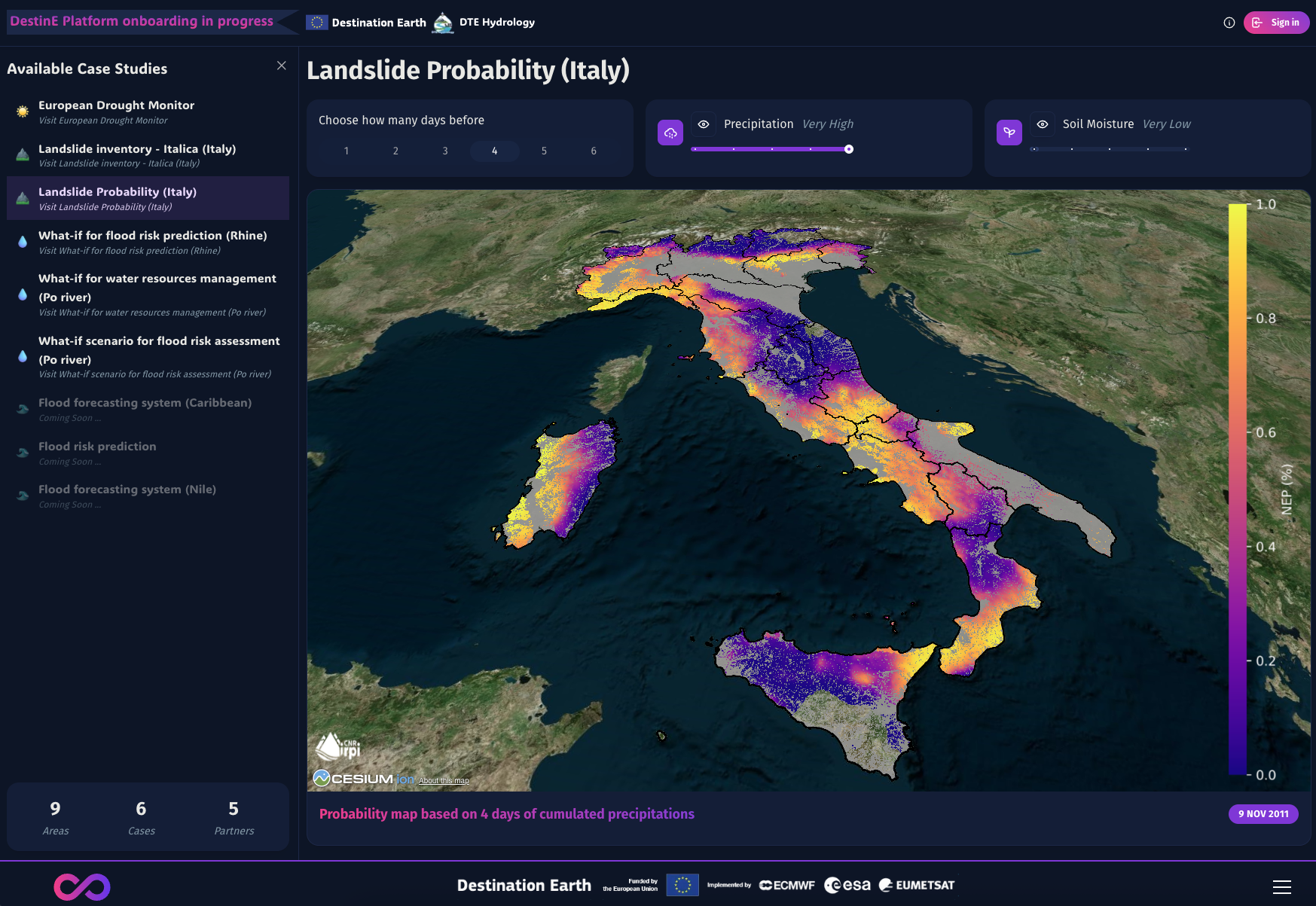
ESA's Digital Twin Earth program creates real-time planetary simulations — not just to model floods or fire, but to stress-test governance responses before disaster strikes. It's scenario planning made operational, fed by satellite data and constrained by physics.
18 February 2026
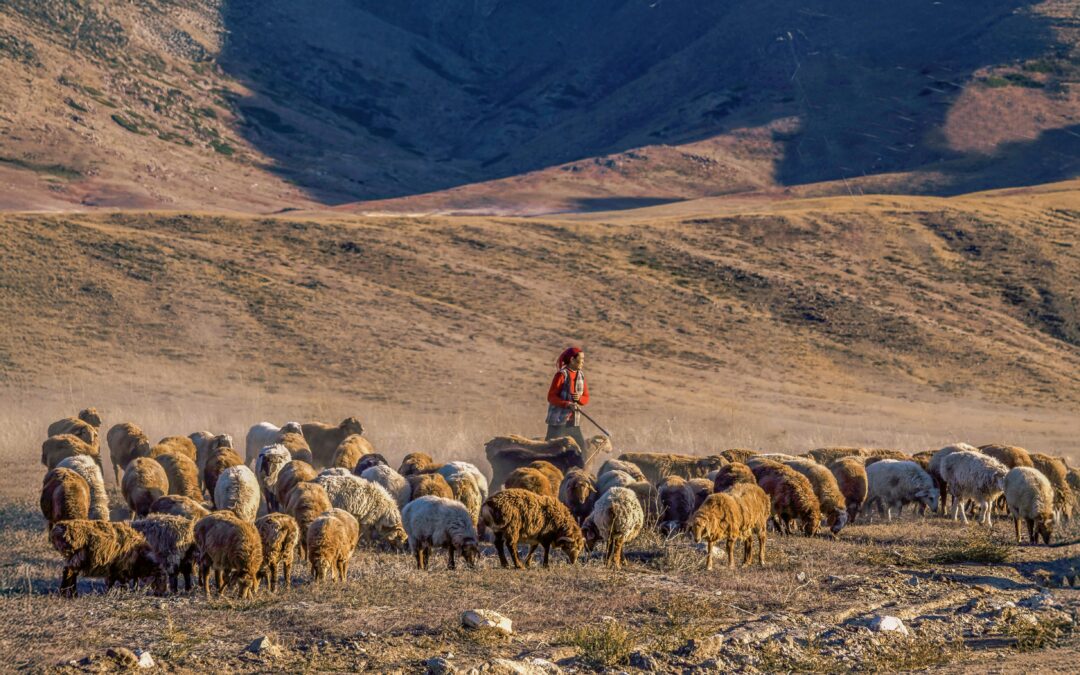
A coalition webinar ahead of UNCCD COP17 reframes pastoralism as regenerative governance — not degradation driver. The challenge: translating centuries of mobile land stewardship into policy that recognizes rights to territory and movement, not just plots.
18 February 2026
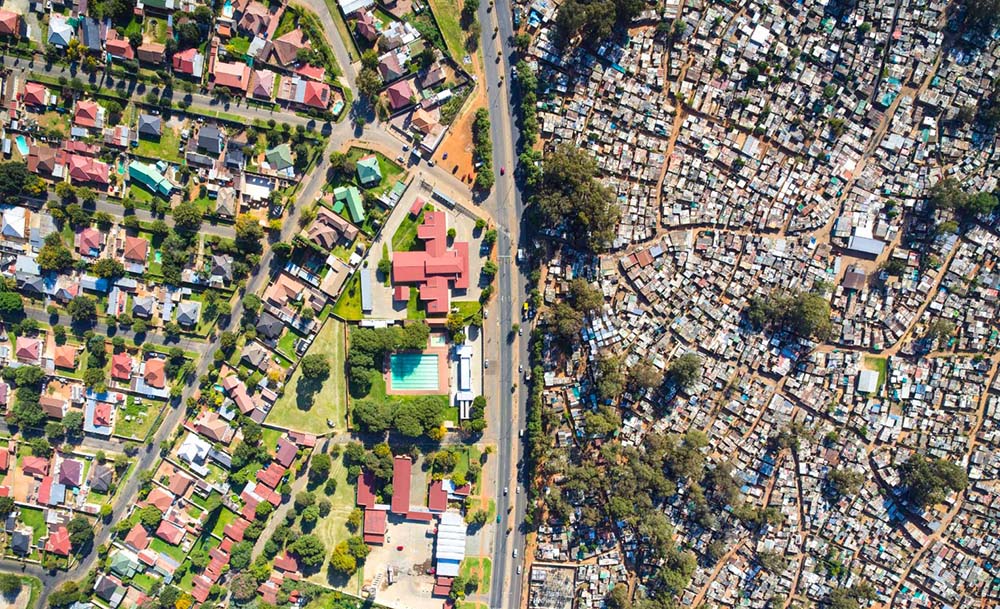
New assessments from Oxfam, a G20 expert committee, and the World Inequality Lab find billionaire wealth has grown 81% since 2020 while democratic institutions weaken — evidence that governance systems cannot be separated from economic architecture.
17 February 2026
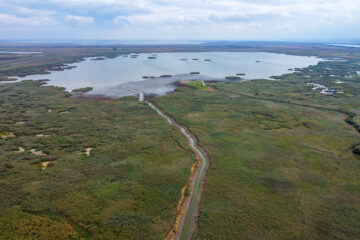
In Ukraine's Danube Delta, six years of restoration has reconnected 18,000 hectares of floodplain to the river — a reminder that ecological governance means reshaping flows, not just protecting boundaries, even under the strain of invasion.

13 February 2026
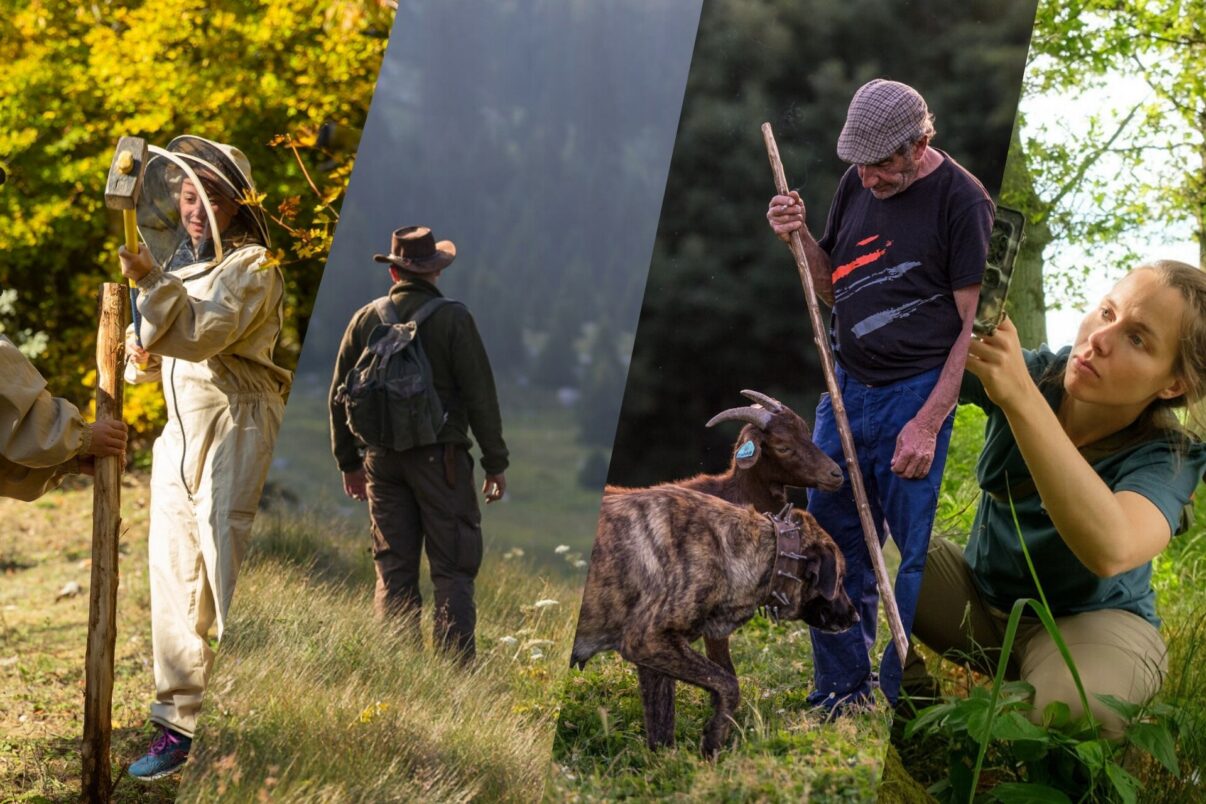
As Europe's wildlife photography competition opens submissions, judge Viktoria Pezzei argues for images that show human hands in ecological work — not pristine wilderness, but the lived practice of restoration.
12 February 2026
A new toolkit launched by Rewilding Europe offers municipal leaders practical frameworks for human-wildlife coexistence — recognizing local governance as the crucial layer where ecological recovery becomes lived experience.
11 February 2026
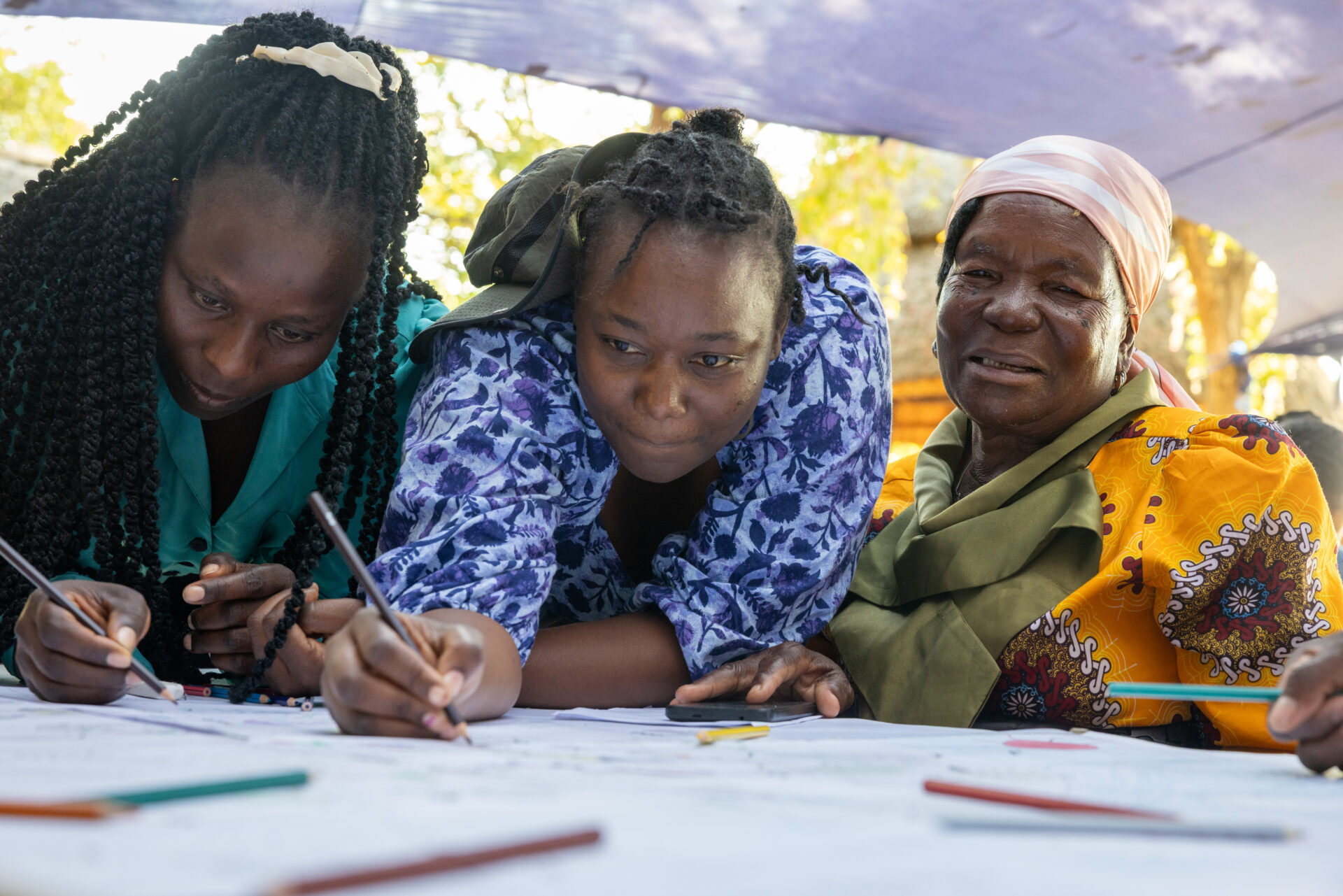
From Kenyan clans reviving biocultural knowledge to Antarctic rights advocacy, communities worldwide are rekindling what Thomas Berry called the 'Great Conversation' — governance as relationship, not extraction.
10 February 2026
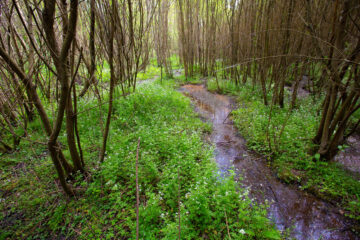
A regional French programme letting forests and wetlands recover without human interference joins a network of 105 rewilding initiatives — advancing a governance model where ecosystems manage themselves.
5 February 2026
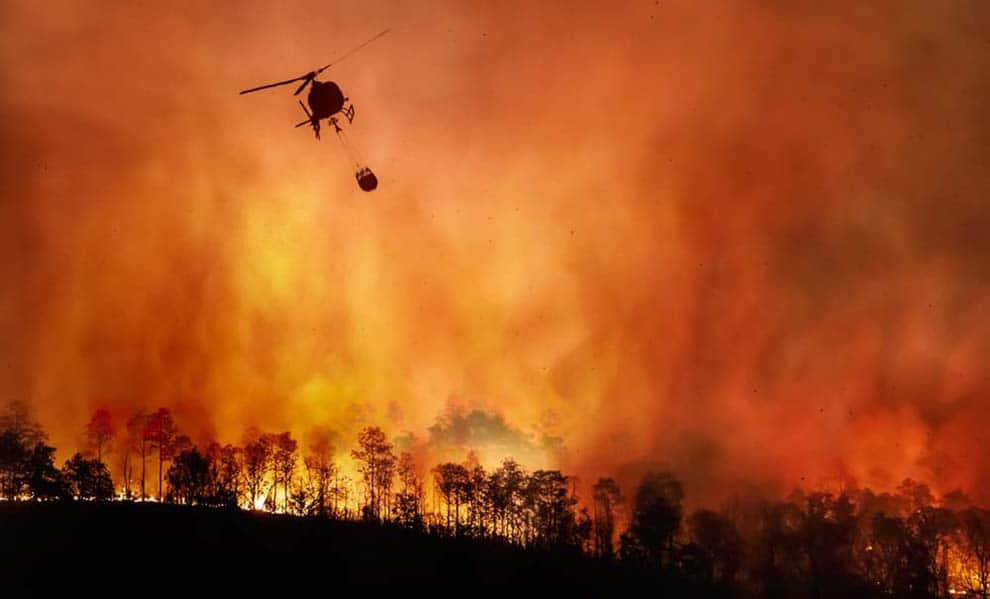
The Global Challenges Foundation and World Economic Forum release assessments showing seven of nine planetary boundaries breached, rising geoeconomic confrontation, and institutional erosion — all pointing to what GCF calls the need for governance that recognizes 'planetary commons cannot be negotiated with.'
30 January 2026
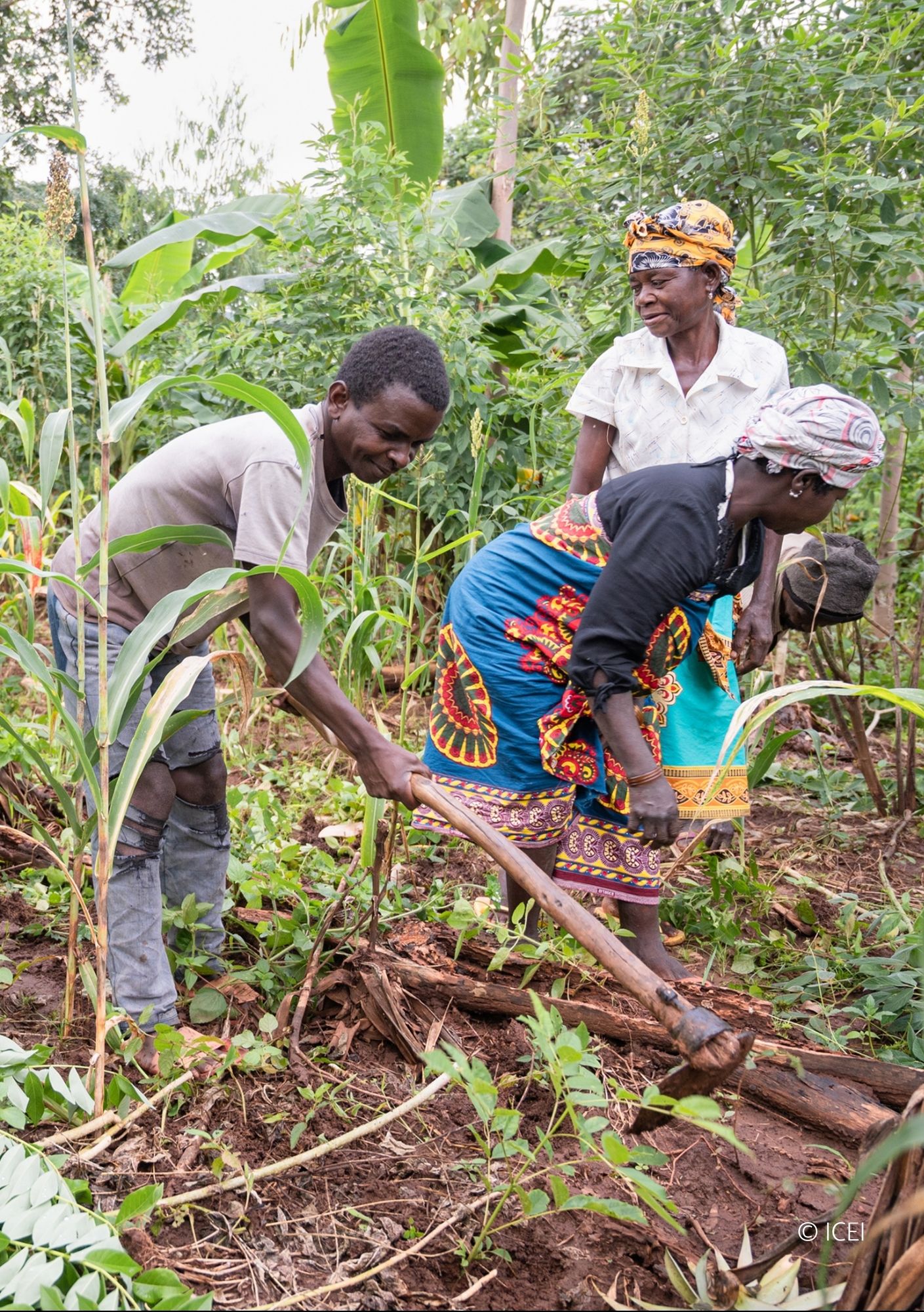
A 3.5-year project in Mozambique embedded agroforestry systems into public institutions and rural communities — showing how regenerative agriculture becomes a form of governance when it restructures land use, diet, and policy in tandem.

29 January 2026
The Climate Justice Alliance frames immigration enforcement as inseparable from climate displacement, calling for mutual aid networks and direct action as federal raids intensify across the U.S.
27 January 2026
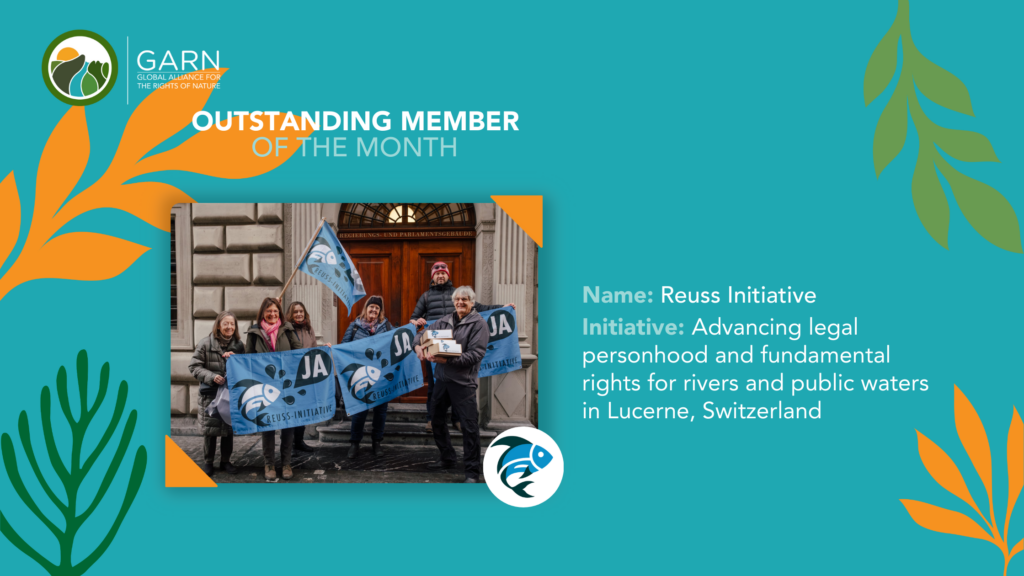
A citizen initiative in Lucerne canton has gathered 5,460 signatures to grant legal personhood to the River Reuss — launching a constitutional process that will test whether democratic systems can recognize nature as a rights-bearing entity.
23 January 2026
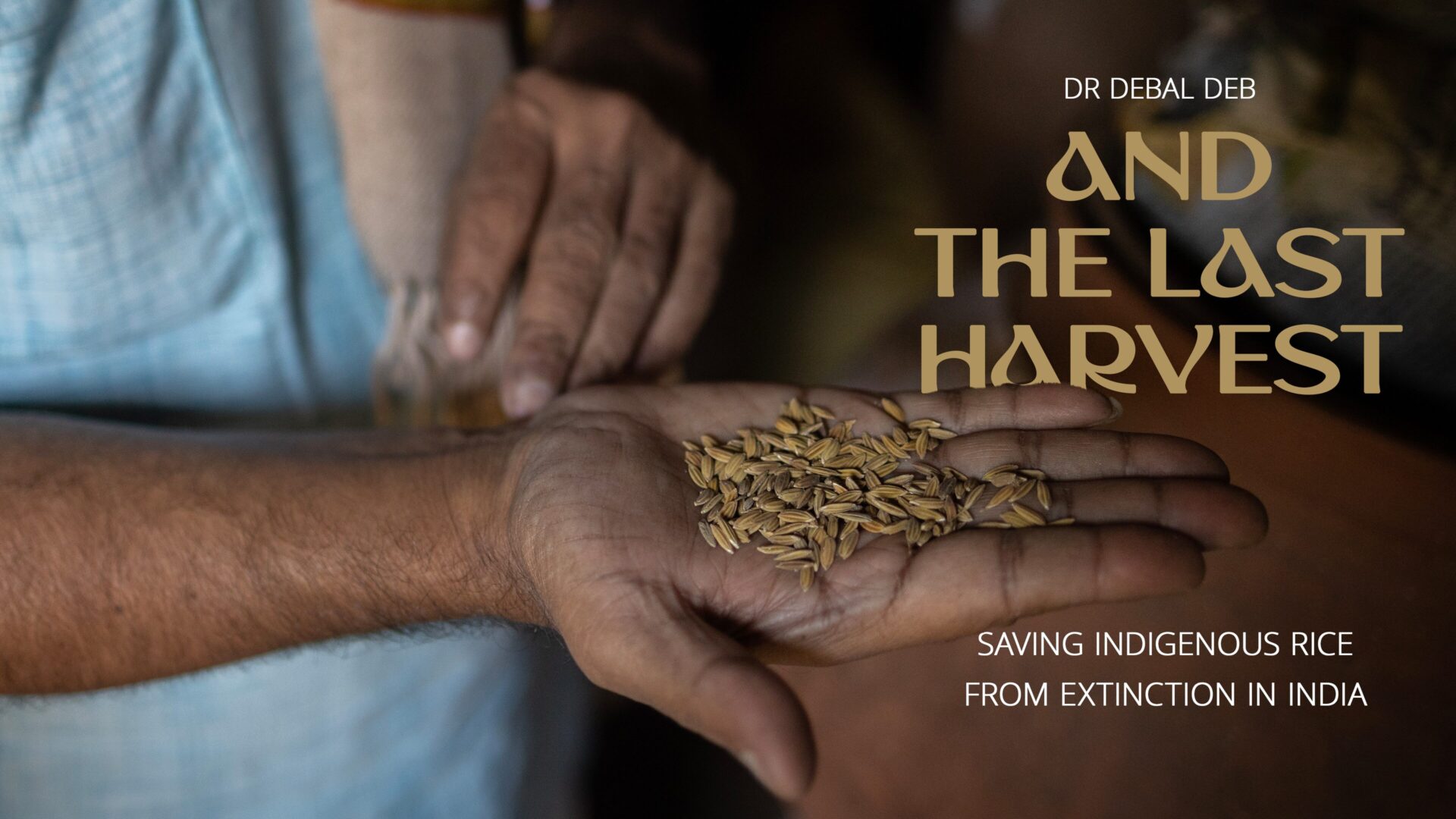
Dr Debal Deb has spent 30 years conserving indigenous rice from remote Indian tribes — an act of ecological stewardship that doubles as governance practice, returning seed sovereignty to farmers after decades of corporate monoculture.

21 January 2026
Nine European bison have been released in Spain's Iberian Highlands as part of a cross-European study testing how keystone species can restore degraded landscapes — and whether rewilding can offer viable development pathways for depopulating rural communities.

21 January 2026
A Swedish industrial city places climate transition in a shopping mall — treating governance not as policy abstraction but as something residents encounter while buying groceries. The experiment tests whether municipal legitimacy can be built through visibility.
15 January 2026
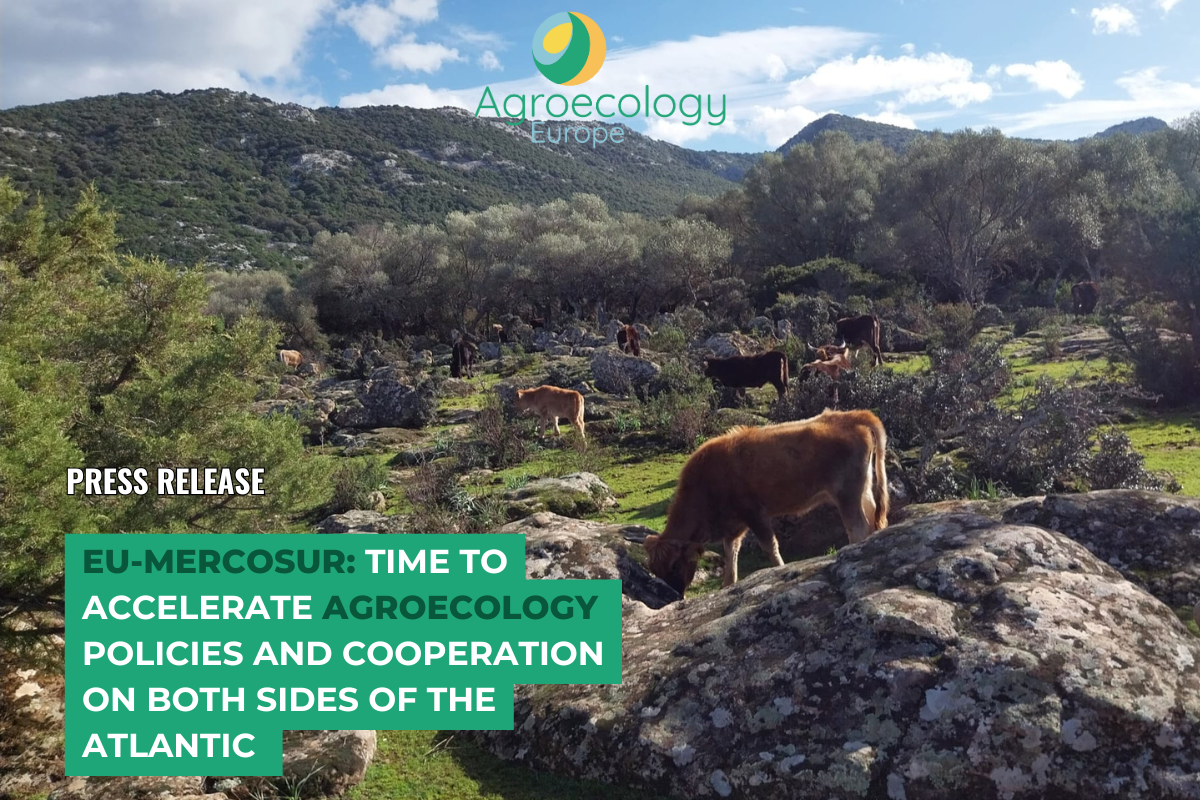
As the EU-Mercosur trade agreement advances despite farmer protests, Agroecology Europe argues both continents must accelerate agroecological policy — not as alternative, but as systemic governance strategy for food, climate, and rural resilience.